ESP-IDF
This chapter contains the following sections. Please read as needed:
ESP-IDF Getting Started
New to ESP32 ESP-IDF development and looking to get started quickly? We have prepared a general Getting Started Tutorial for you.
- Section 1: Environment Setup
- Section 2: Running Examples
- Section 3: Creating a Project
- Section 4: Using Components
- Section 5: Debugging
- Section 6: FreeRTOS
- Section 7: Peripherals
- Section 8: Wi-Fi Programming
- Section 9: BLE Programming
Please Note: This tutorial uses the ESP32-S3-Zero as a teaching example, and all hardware code is based on its pinout. Before you start, it is recommended that you check the pinout of your development board to ensure the pin configuration is correct.
Setting Up Development Environment
The following guide uses Windows as an example, demonstrating development using VS Code + the ESP-IDF extension. macOS and Linux users should refer to the official documentation.
The screenshots in this section use ESP-IDF V5.5.2 as an example. When installing, please select the ESP-IDF version that matches your board's example.
Install the ESP-IDF Development Environment
-
Download the installation manager from the ESP-IDF Installation Manager page. This is Espressif's latest cross-platform installer. The following steps demonstrate how to use its offline installation feature.
Click the Offline Installer tab on the page, then select Windows as the operating system and the ESP-IDF version you need (the version shown in the screenshot is for reference only — choose the version that fits your actual needs).
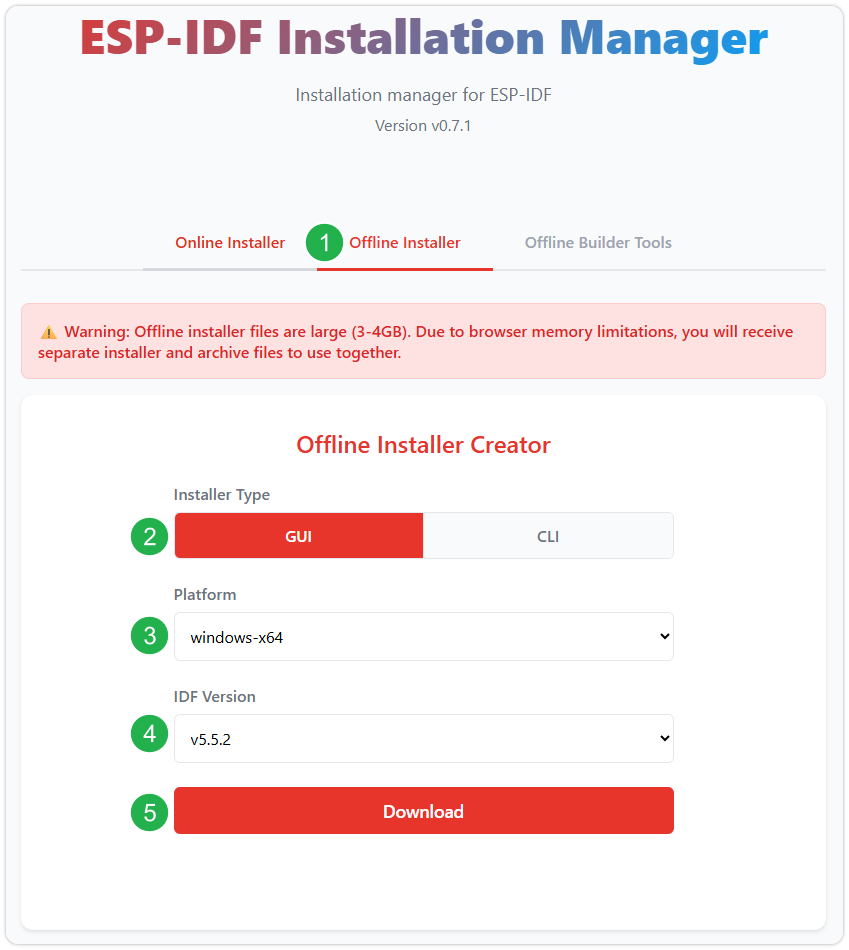
After confirming your selection, click the download button. The browser will automatically download two files: the ESP-IDF Offline Package (.zst) and the ESP-IDF Installer (.exe).
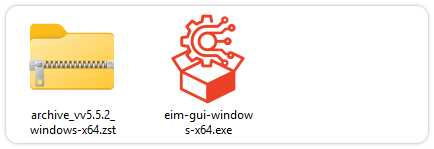
Please wait for both files to finish downloading.
-
Once the download is complete, double-click to run the ESP-IDF Installer (eim-gui-windows-x64.exe).
The installer will automatically detect if the offline package exists in the same directory. Click Install from archive.
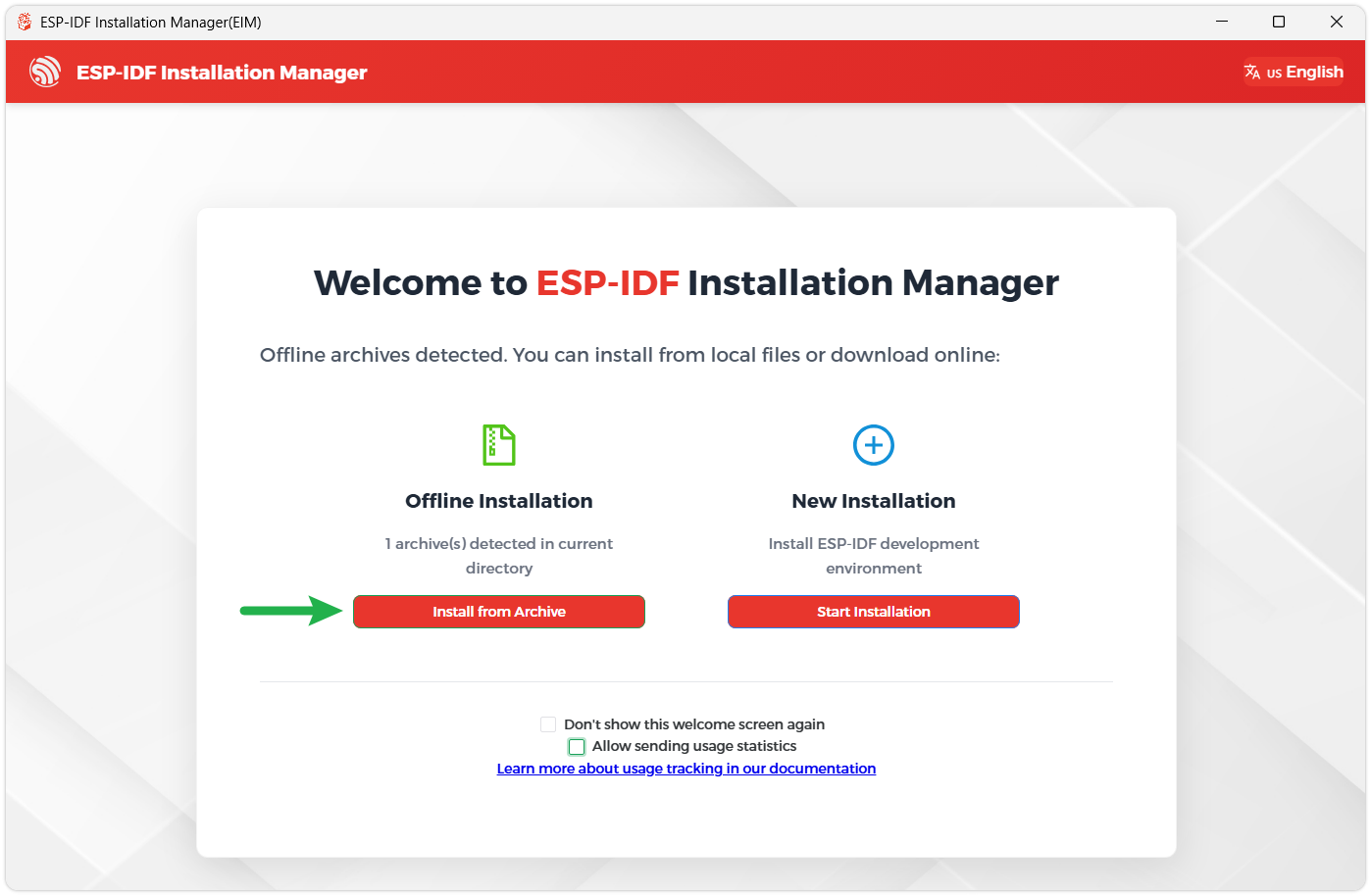
Next, select the installation path. We recommend using the default path. If you need to customize it, ensure the path does not contain Chinese characters or spaces. Click Start installation to proceed.
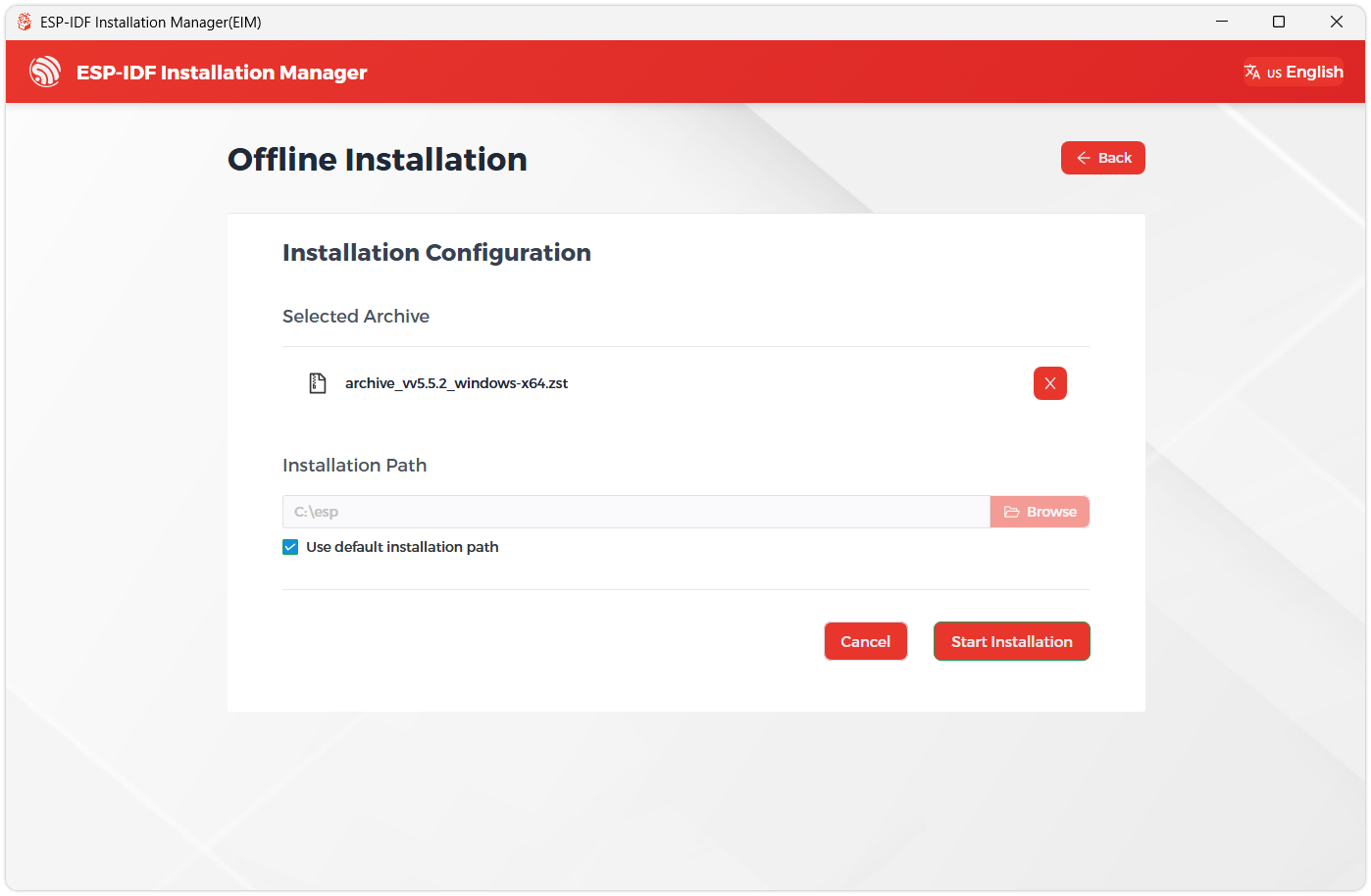
-
When you see the following screen, the ESP-IDF installation is successful.
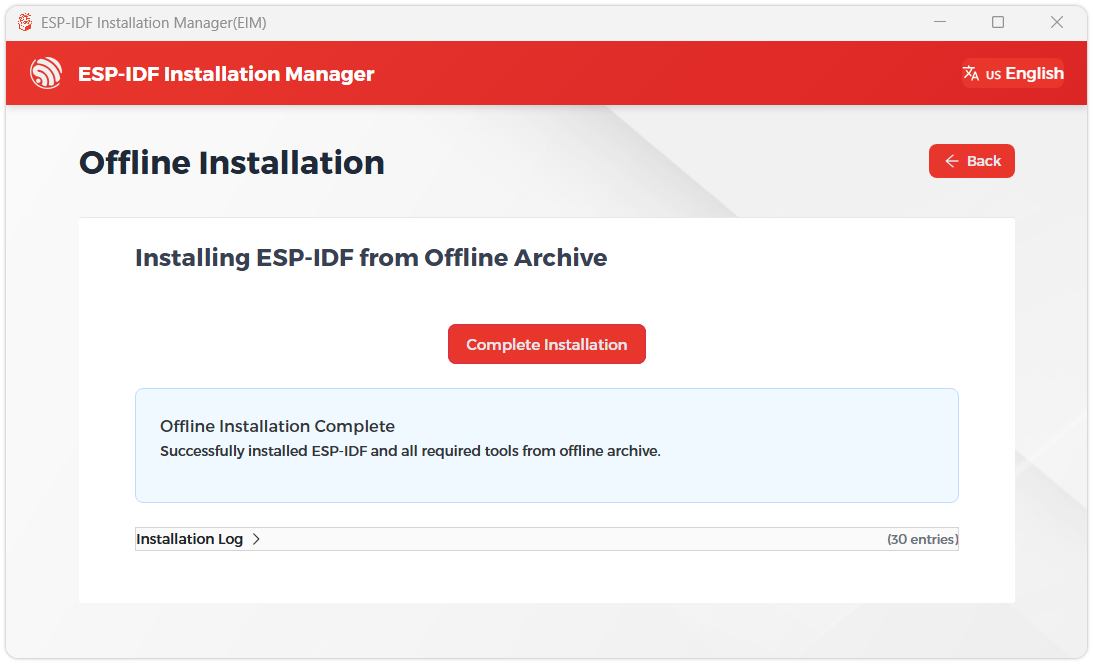
-
We recommend installing the drivers as well. Click Finish installation, then select Install driver.
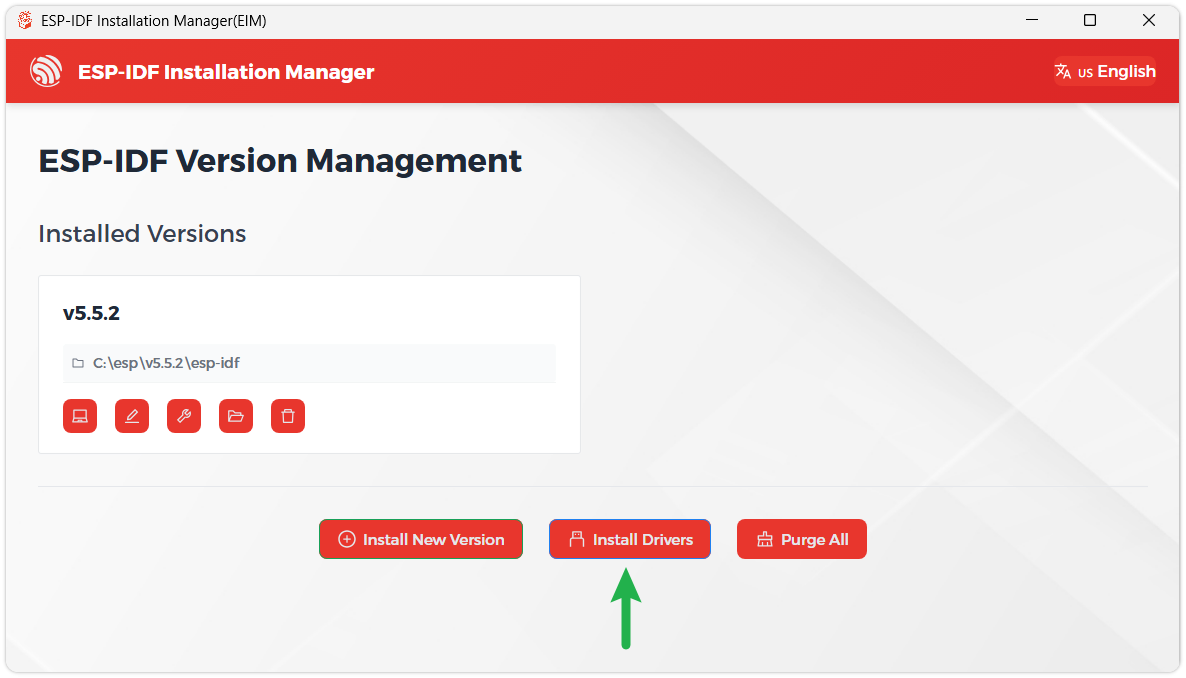
Install Visual Studio Code and the ESP-IDF Extension
-
Download and install Visual Studio Code.
-
During installation, it is recommended to check Add "Open with Code" action to Windows Explorer file context menu to facilitate opening project folders quickly.
-
In VS Code, click the Extensions icon
 in the Activity Bar on the side (or use the shortcut Ctrl + Shift + X) to open the Extensions view.
 -
Enter ESP-IDF in the search box, locate the ESP-IDF extension, and click Install.
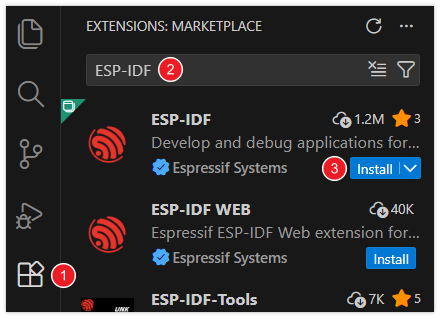
-
For ESP-IDF extension versions ≥ 2.0, the extension will automatically detect and recognize the ESP-IDF environment installed in the previous steps, requiring no manual configuration.
Example
01_ESP32S3_test
Example Description
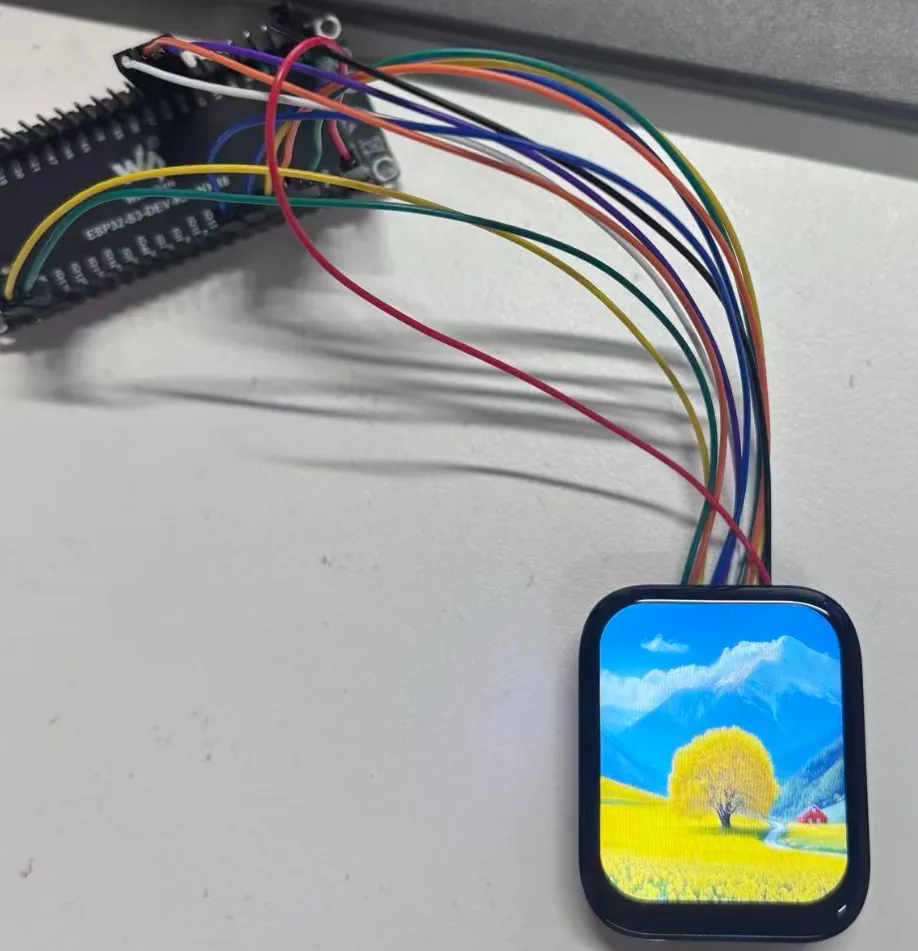
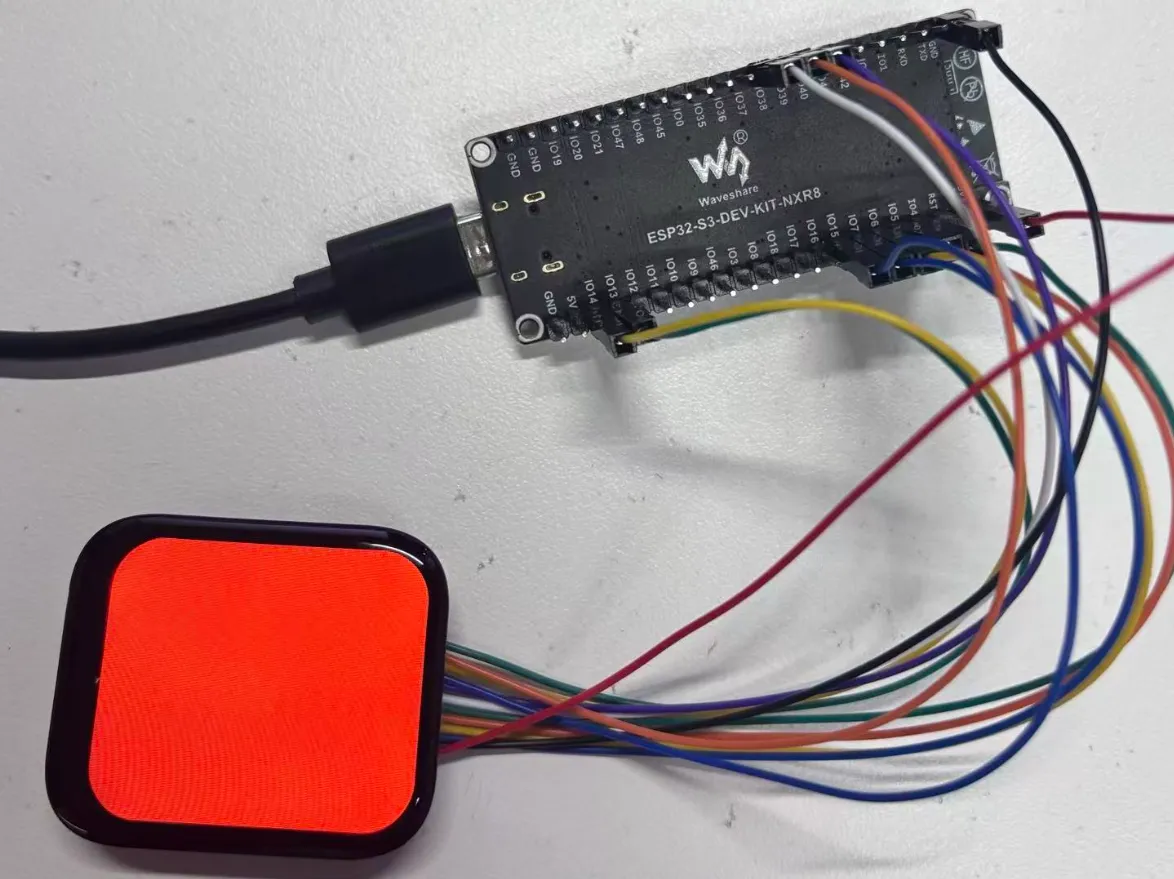
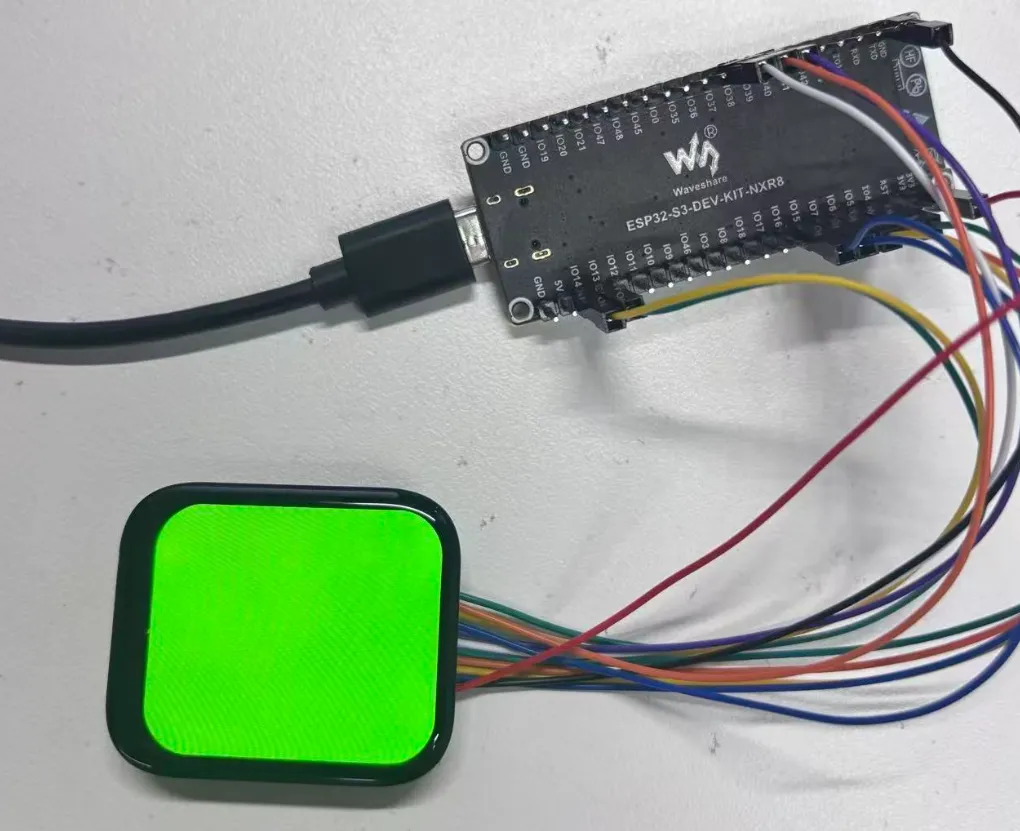
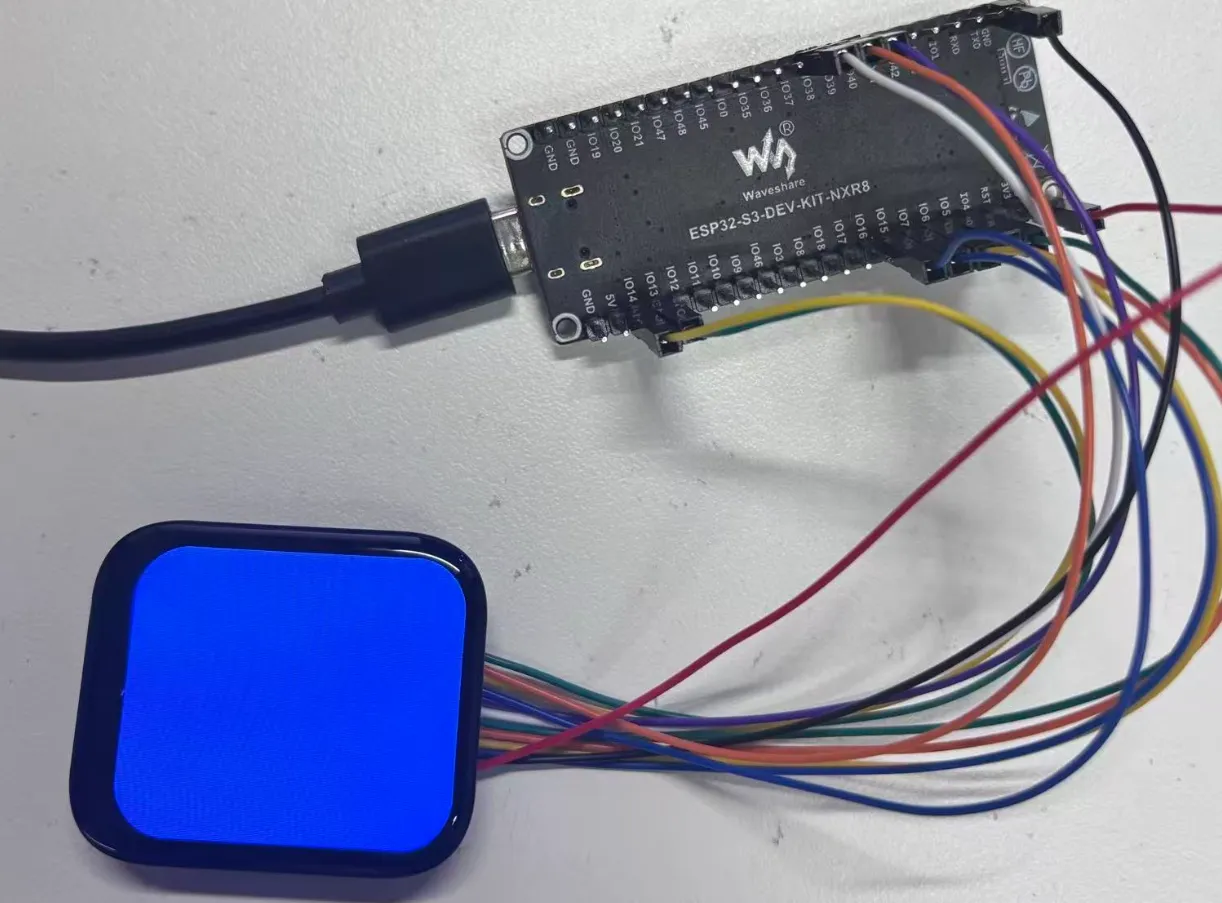
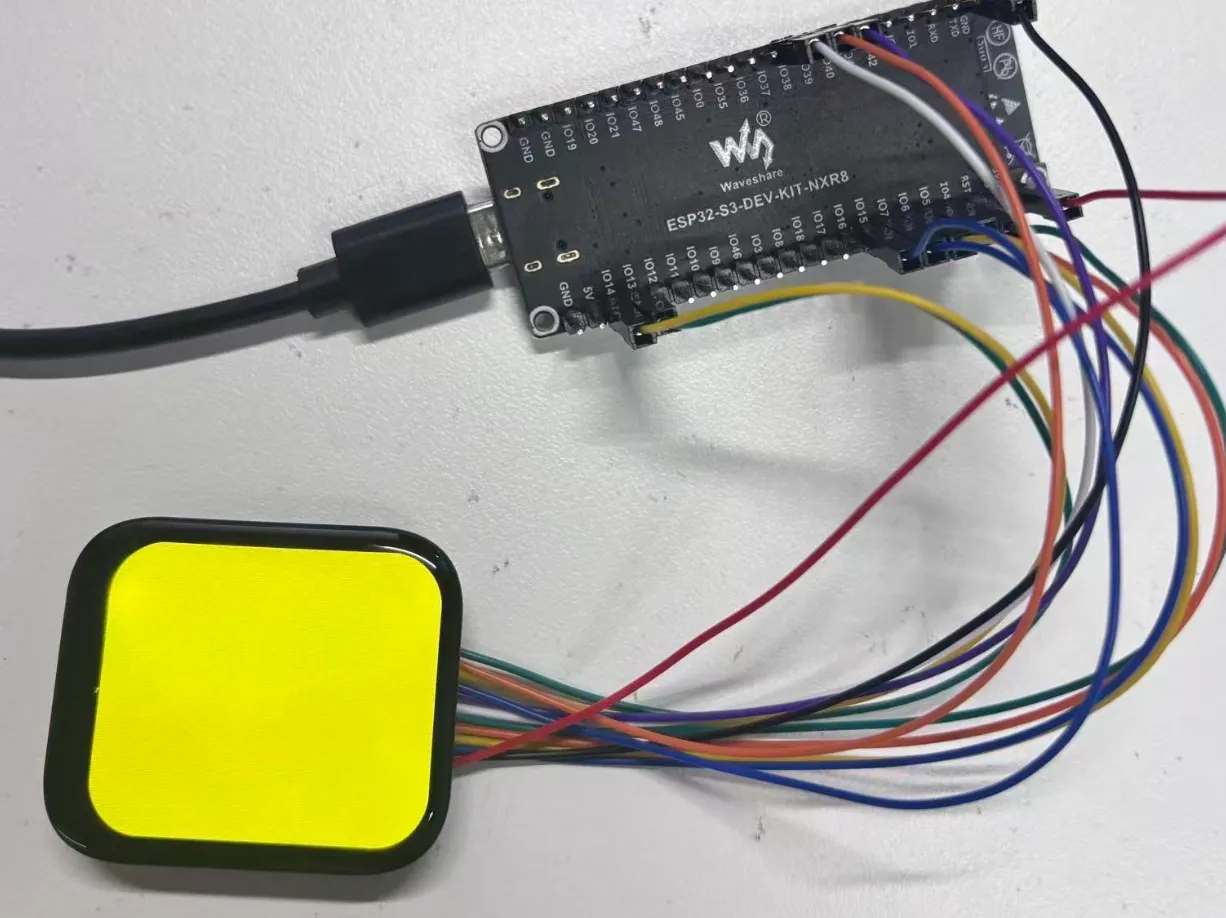
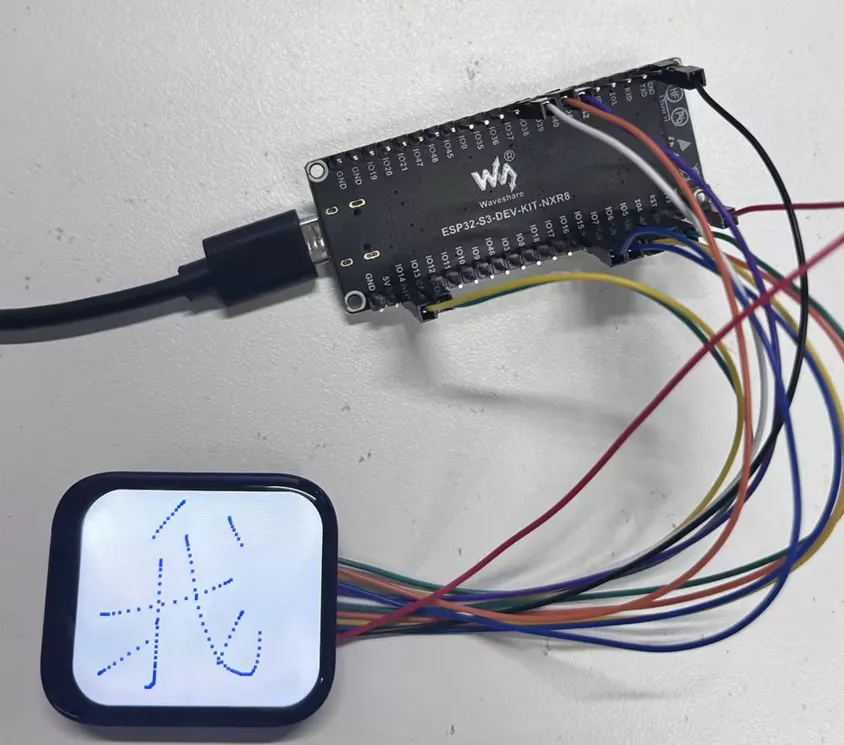
- This example demonstrates how to drive the 1.83inch Touch LCD Module based on an ESP32-S3 development board. It implements a color cycle test and touch functionality test, while also reserving image display capability based on the LVGL graphics library, supporting image switching via left and right swipe gestures.
Hardware Connection
| 1.83inch Touch LCD Module | ESP32-S3-DEV-KIT-N16R8-M |
|---|---|
| VCC | 3.3V |
| GND | GND |
| LCD_DIN | GP7 |
| LCD_CLK | GP6 |
| LCD_CS | GP5 |
| LCD_DC | GP4 |
| LCD_RST | GP38 |
| LCD_BL | GP40 |
| TP_SDA | GP15 |
| TP_SCL | GP14 |
| TP_RST | GP39 |
| TP_INT | GP13 |
- Connect the screen to the development board using a GH1.25 12PIN cable
- Connect the development board to the computer
Code Analysis
-
image_slider_init():- Implements left and right swipe gesture recognition and image switching based on the LVGL v9.3.0 graphics library, providing users with a smooth image browsing experience.
-
app_main():- Initializes the display, touch screen, and LVGL graphics library. It implements the color cycle test and basic touch function verification, laying the foundation for subsequent graphical interaction applications.
Operation Result
-
LCD Color Cycle Test:
-
LCD Touch Test:
-
LVGL Image Switching Test: