ESP32-DEV-KIT-XX
- ESP32-DEV-KIT-WROOM-32E-N4
- ESP32-DEV-KIT-WROOM-32E-N4-M
- ESP32-DEV-KIT-WROOM-32UE-N16
- ESP32-DEV-KIT-WROOM-32UE-N16-M
- ESP32-DEV-KIT-WROVER-E
- ESP32-DEV-KIT-WROVER-E-M
- ESP32-DEV-KIT-WROVER-IE
- ESP32-DEV-KIT-WROVER-IE-M
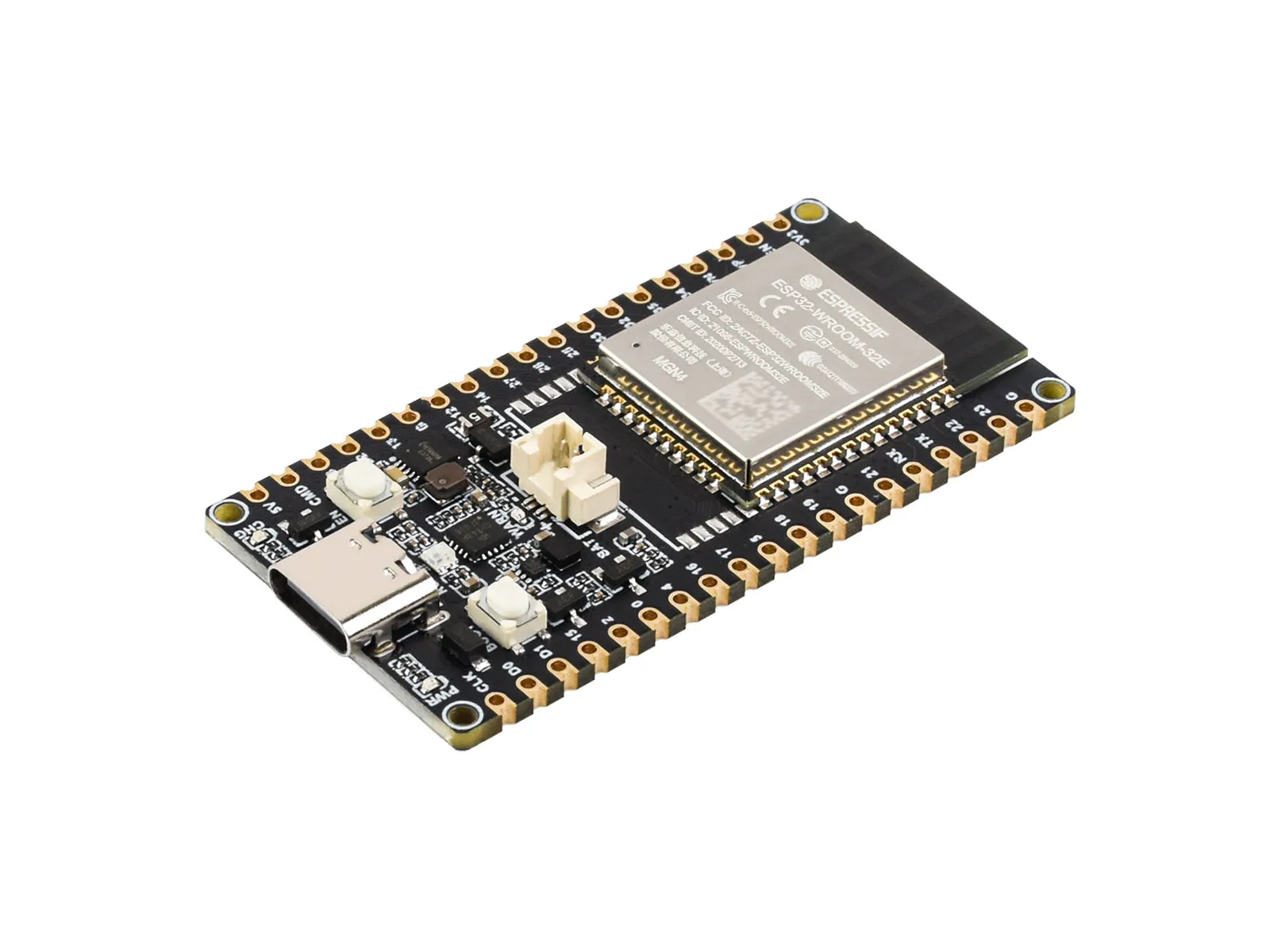
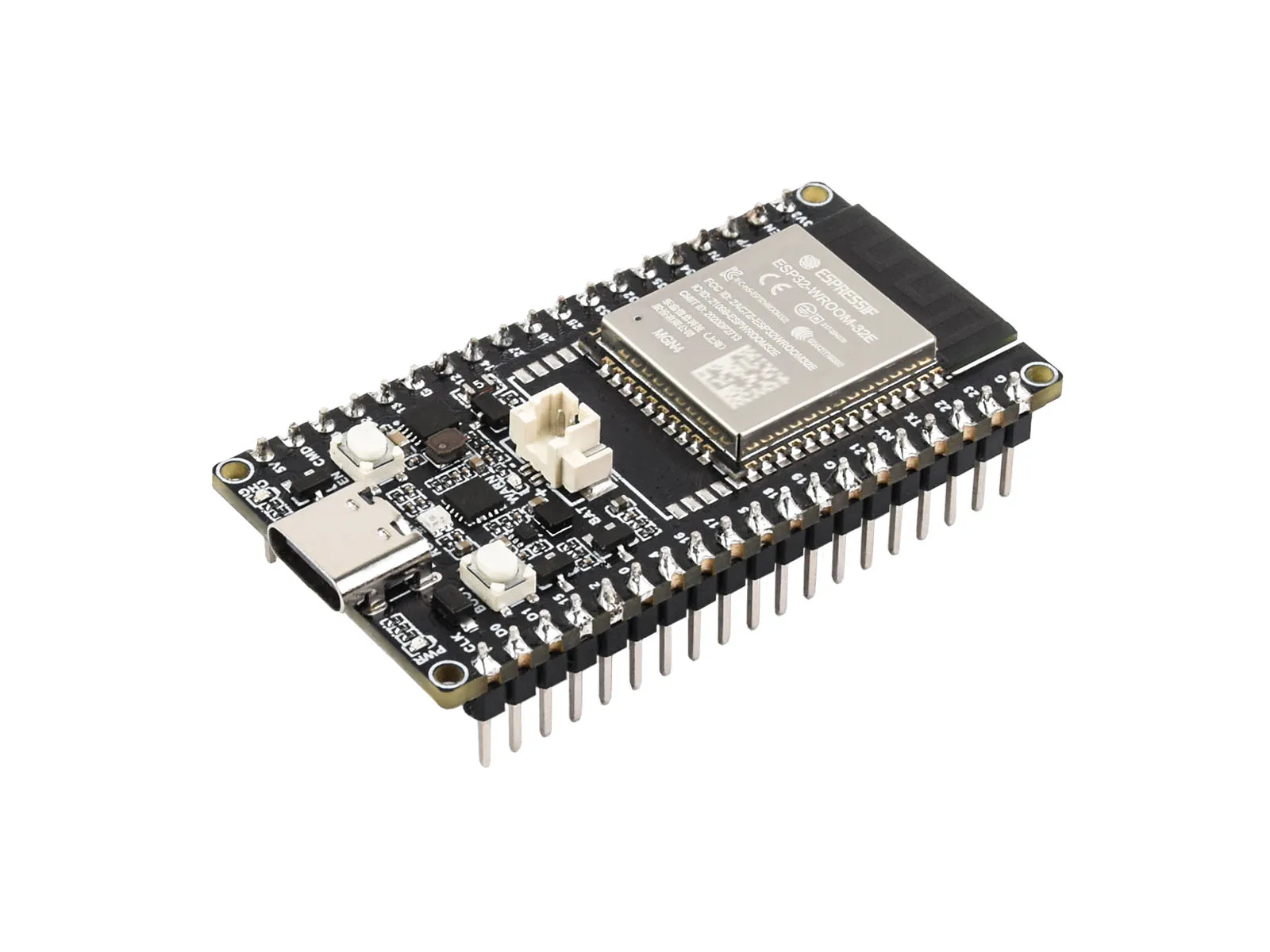
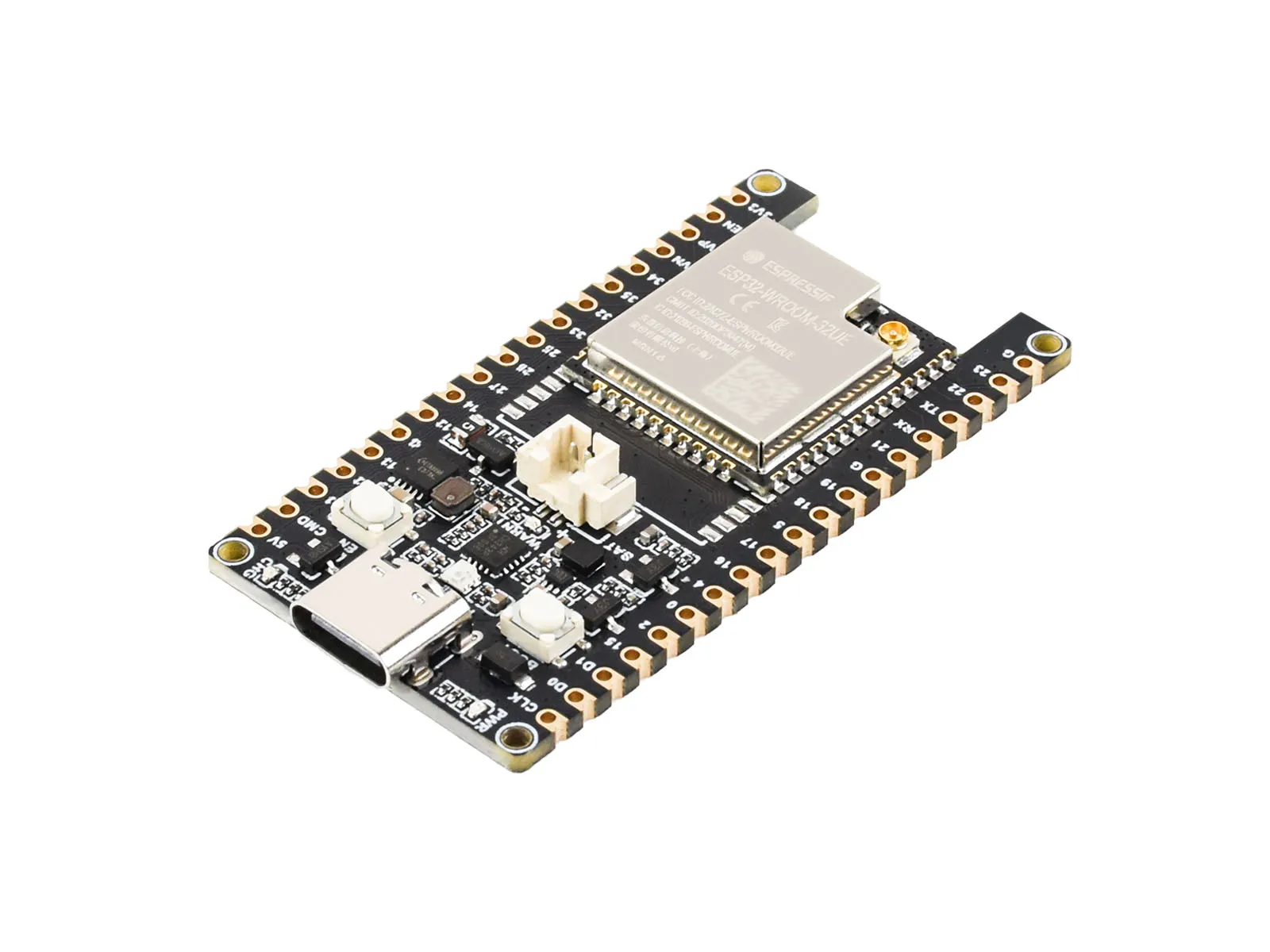
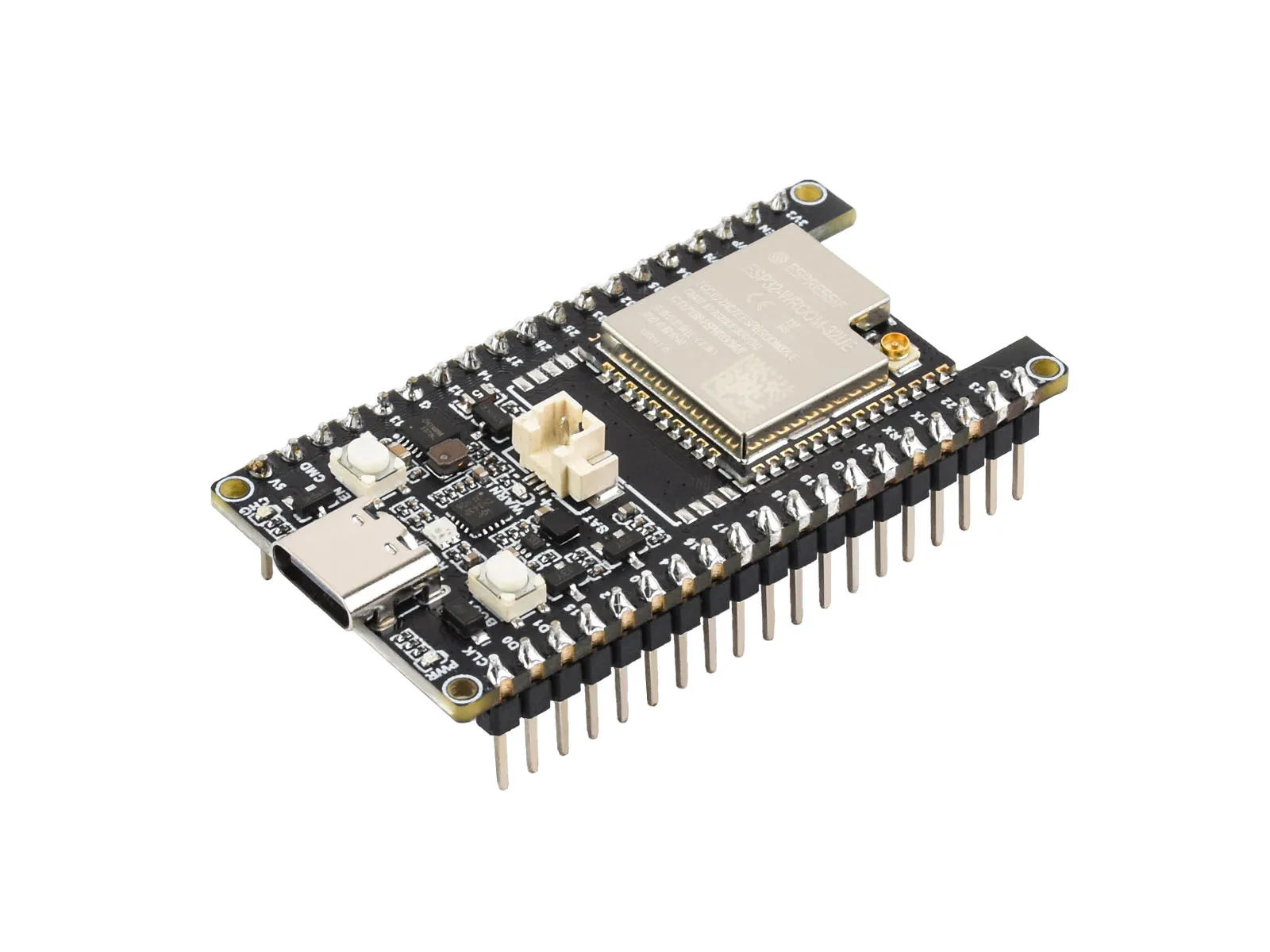
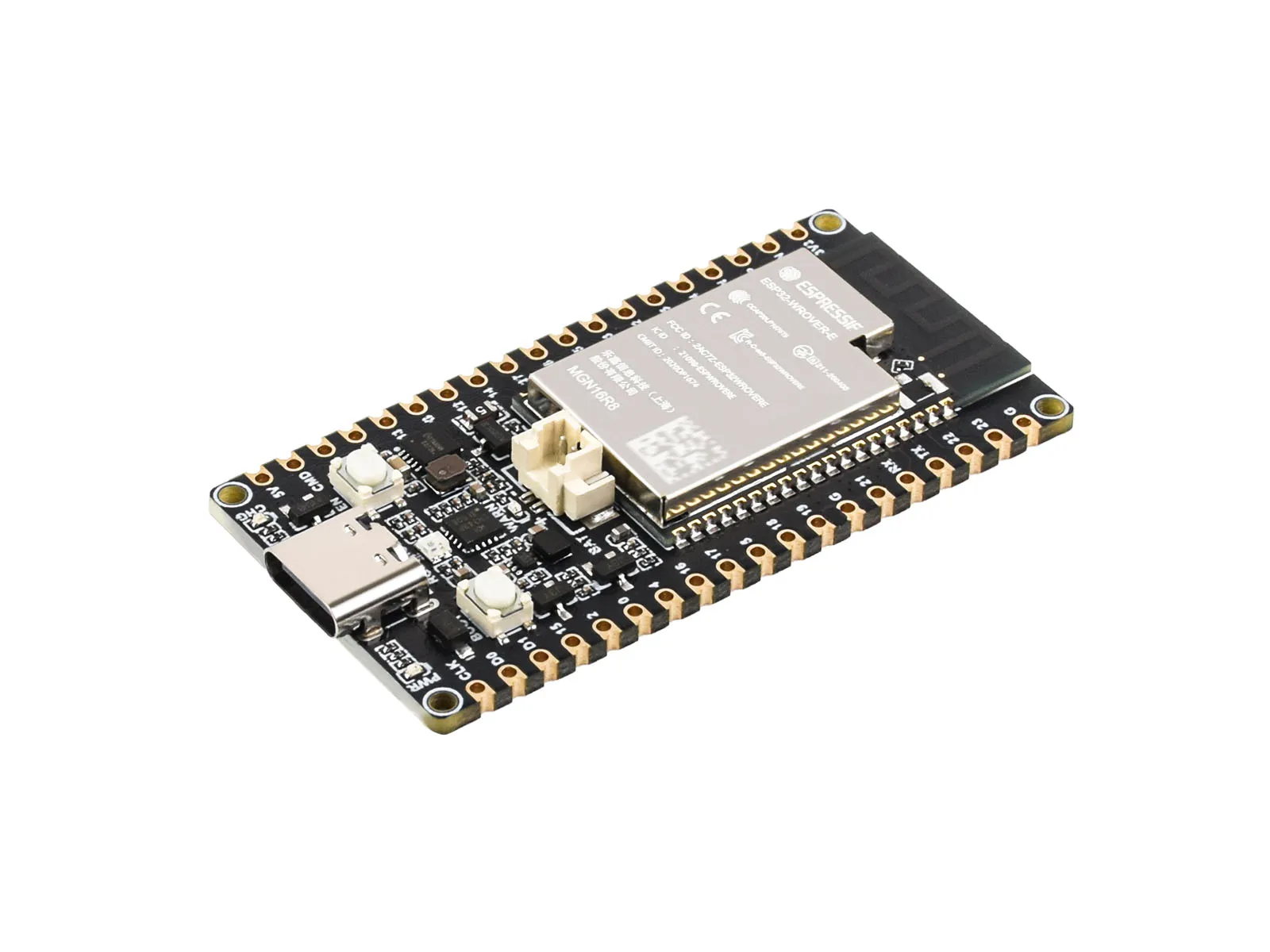
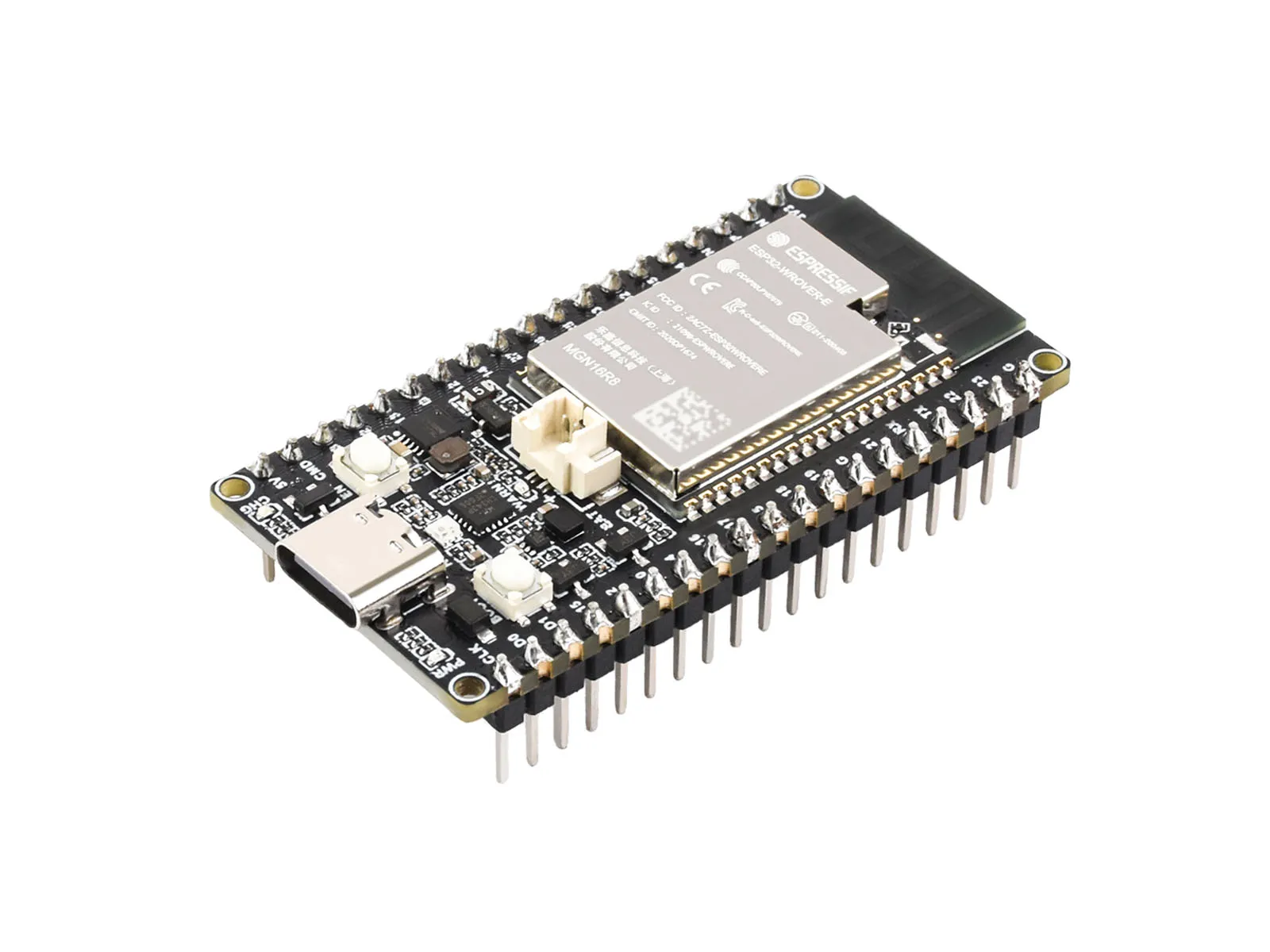
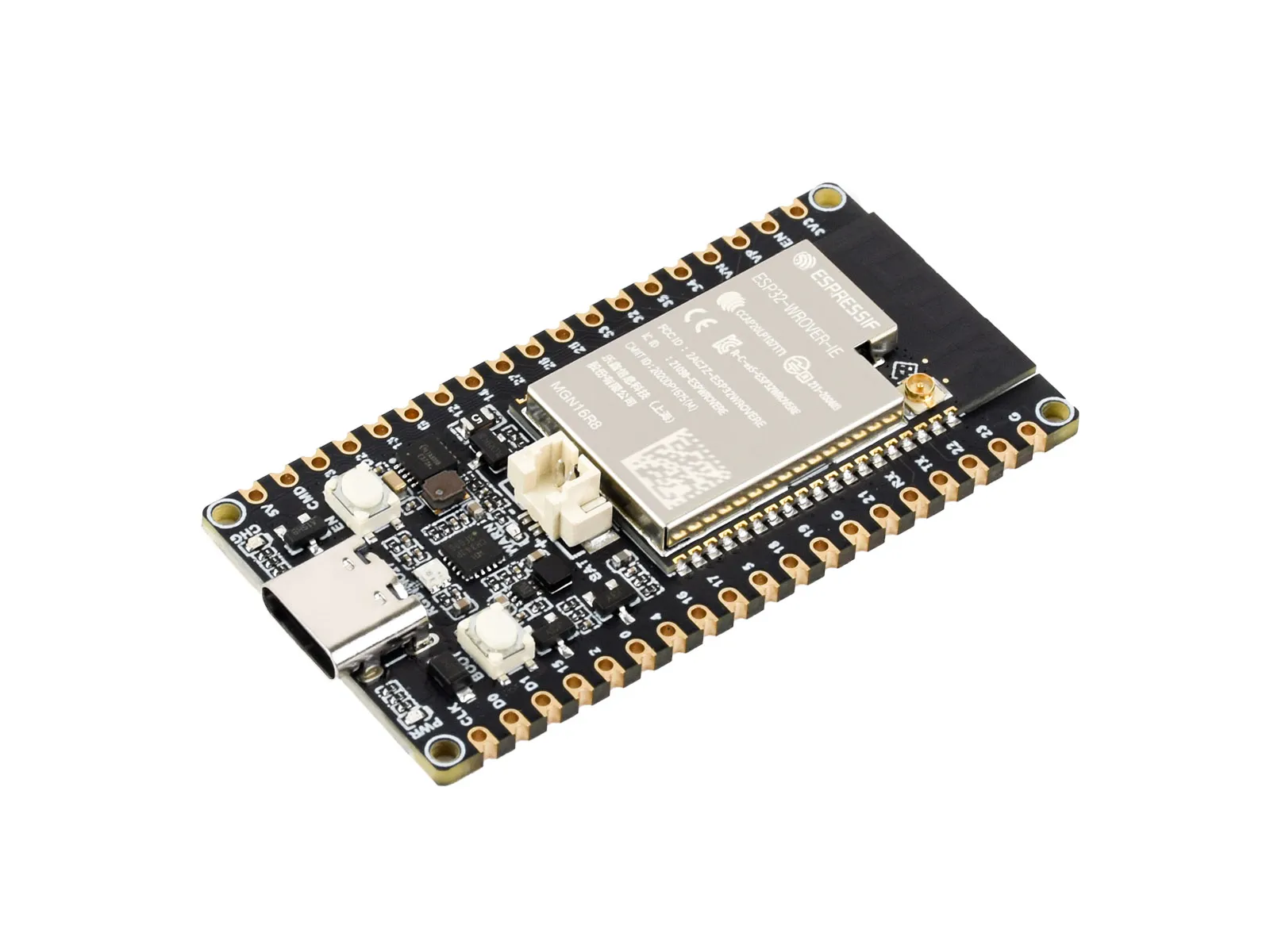
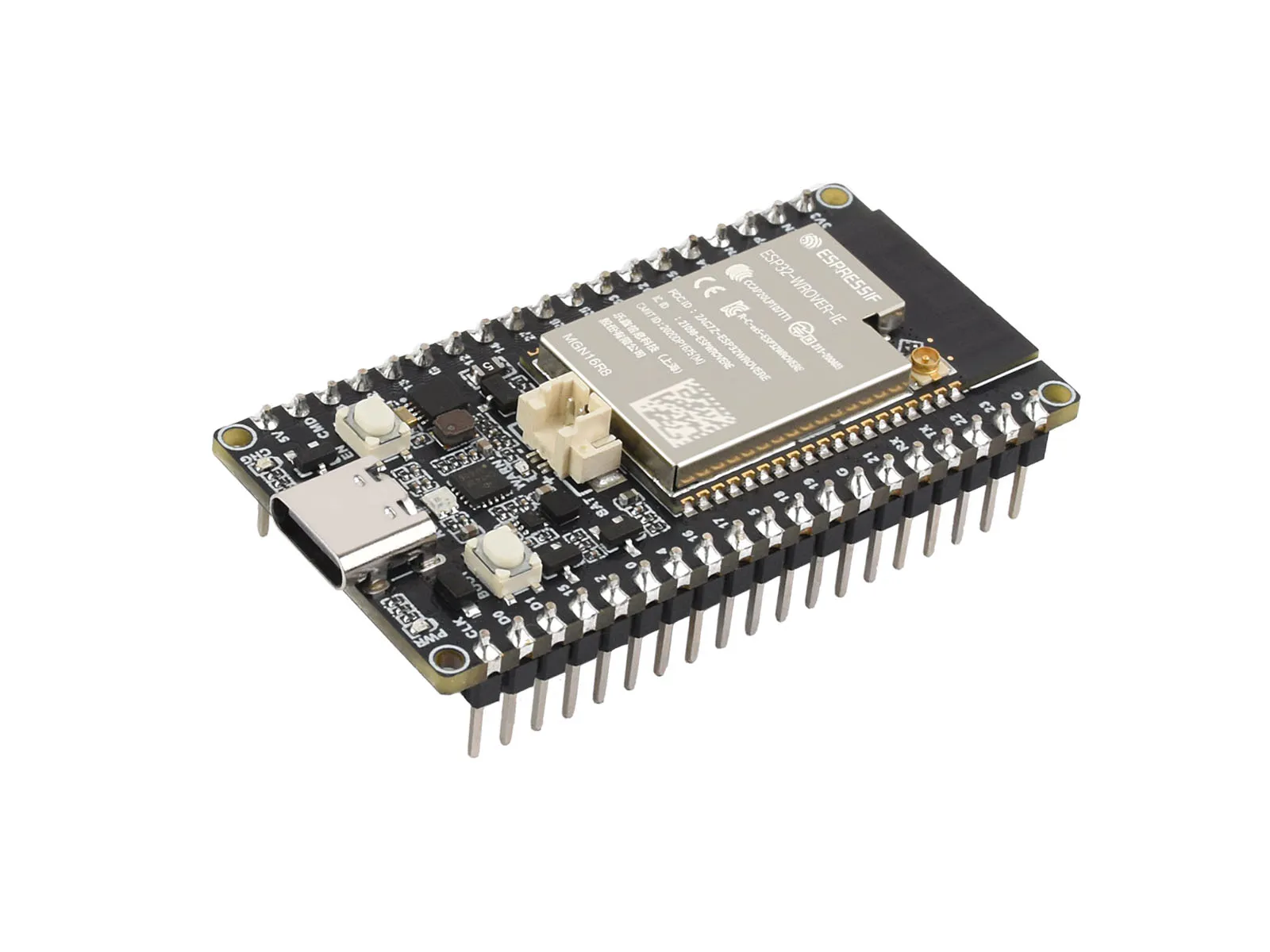
The ESP32-DEV-KIT-XX are compact microcontroller development boards designed by Waveshare based on the official Espressif ESP32 modules. It uses the official Espressif ESP32 module, features a Xtensa 32‑bit LX6 dual‑core processor with a clock speed of up to 240 MHz, and offers optional PSRAM and Flash memory variants. It supports 2.4 GHz Wi‑Fi, classic Bluetooth, and Bluetooth Low Energy (BLE) communication. The onboard CH343P USB‑to‑serial chip and automatic download circuit allow power supply, program downloading, and serial debugging through a single USB Type‑C port. The pin header layout is compatible with the ESP32-DevKitC board, making it easy to expand various peripherals.
| SKU | Product |
|---|---|
| 35530 | ESP32-DEV-KIT-WROOM-32E-N4 |
| 35526 | ESP32-DEV-KIT-WROOM-32E-N4-M |
| 35552 | ESP32-DEV-KIT-WROOM-32UE-N16 |
| 35553 | ESP32-DEV-KIT-WROOM-32UE-N16-M |
| 35562 | ESP32-DEV-KIT-WROVER-E |
| 35528 | ESP32-DEV-KIT-WROVER-E-M |
| 35621 | ESP32-DEV-KIT-WROVER-IE |
| 35699 | ESP32-DEV-KIT-WROVER-IE-M |
Features
- Uses ESP32 series modules, equipped with a Xtensa 32‑bit LX6 dual‑core processor with a clock speed of up to 240 MHz
- Integrated 520 KB SRAM, 448 KB ROM, with optional PSRAM and Flash memory variants
- Supports 2.4 GHz Wi‑Fi, classic Bluetooth, and Bluetooth Low Energy (BLE)
- Onboard battery charging management module, with a reserved 3.7V GH1.25 lithium battery interface for external battery power supply.
- Features a reversible USB Type-C connector.
- Exposes rich peripheral interfaces with a castellated module design, facilitating soldering and integration onto user-designed carrier boards.
- Supports various low-power operating states, allowing flexible adjustment between communication range, data rate, and power consumption to meet the power requirements of various application scenarios.
Resource Interface
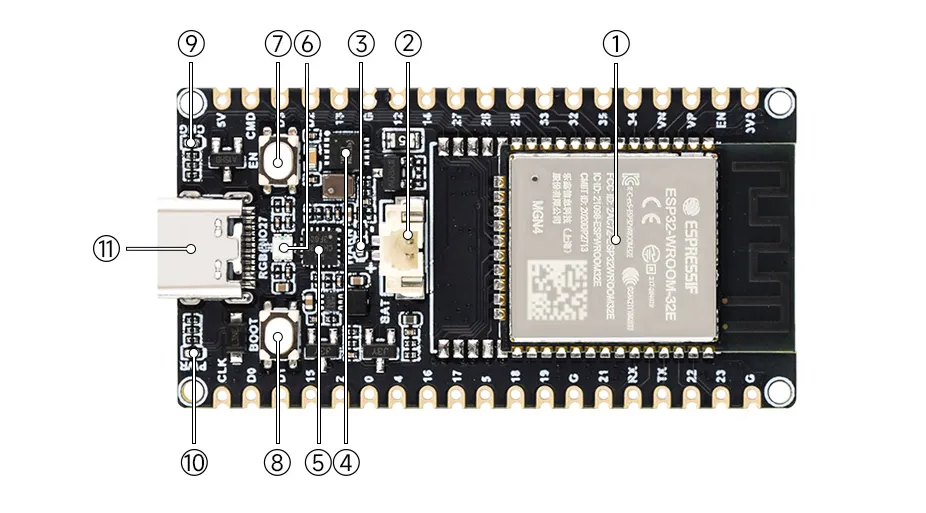
- ESP32 module
- 3.7 V lithium battery header GH1.25 2PIN connector for connecting a 3.7V lithium battery, supports charging and discharging
- Battery reverse polarity warning LED Lights up when the battery polarity is reversed
- ETA6098 battery chip
- CH343P USB‑to‑Serial chip
- RGB indicator
- EN button Reset button
- BOOT button Press while resetting to enter download mode
- Charging indicator
- Power indicator
- USB Type-C port For program download
Dimensions
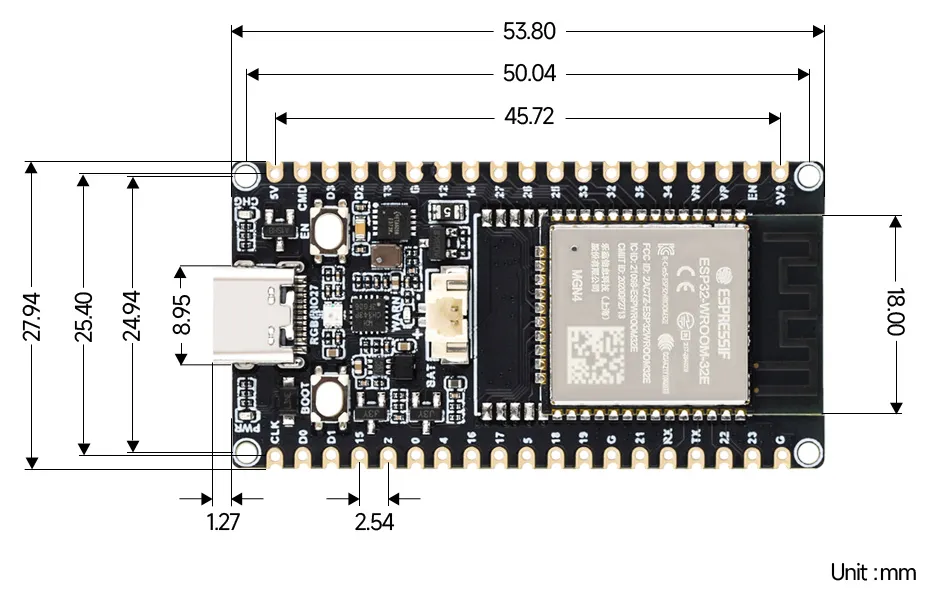
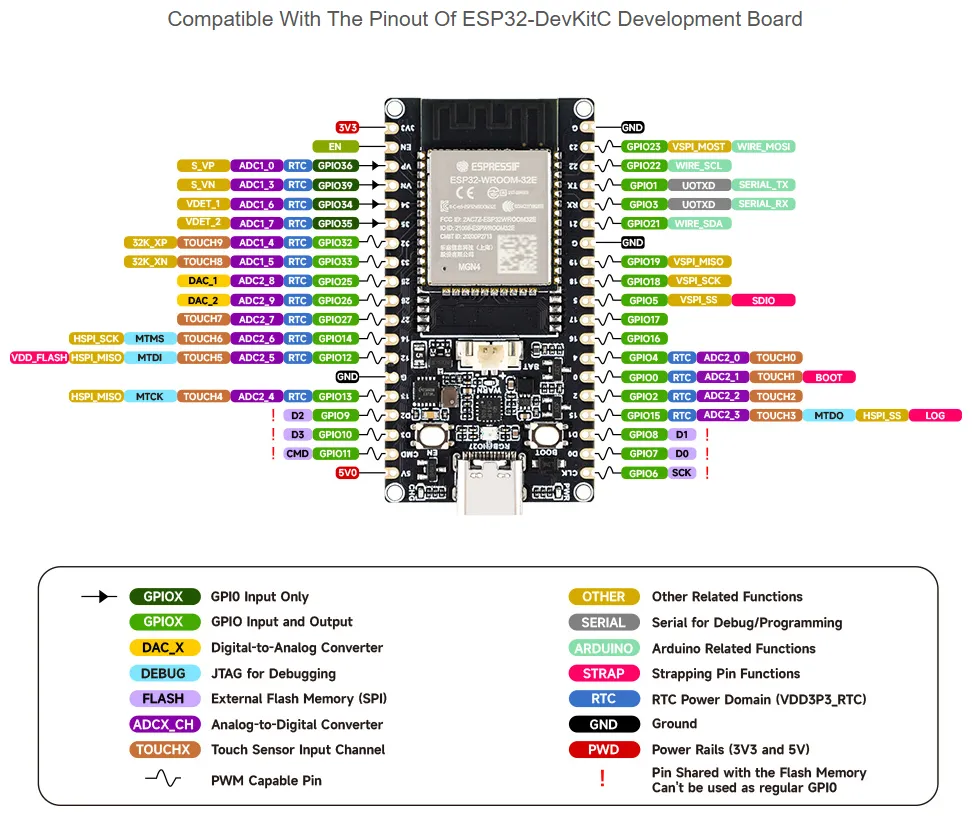
Pinout Definition
Development Methods
The ESP32 supports multiple development methods, allowing for professional development using the Espressif official ESP-IDF framework, or rapid prototyping using platforms like the Arduino IDE.
The main development platforms include:
-
ESP-IDF: Espressif's official development framework tailored for ESP32 series chips, providing a complete toolchain, libraries, and documentation. It can fully leverage all the performance and features of ESP32 and is the preferred solution for professional development and commercial products.
-
Arduino: A well-known open-source hardware/software platform offering a simple and standard C++ interface, supporting numerous microcontrollers including ESP32. Arduino has rich libraries and examples, widely used in prototyping and education, and is a popular entry-level platform for beginners. For the development environment configuration, please refer to Working with Arduino page.
-
Other Development Methods: The ESP32 ecosystem is very rich. Beyond the platforms mentioned above, it also supports development via PlatformIO, ESPHome, and other tools, catering to developers with different technical backgrounds.