ESP32-S3-DEV-KIT-NXRX
- ESP32-S3-DEV-KIT-N8R8
- ESP32-S3-DEV-KIT-N8R8-M
- ESP32-S3-DEV-KIT-N16R8
- ESP32-S3-DEV-KIT-N16R8-M
- ESP32-S3-DEV-KIT-N32R16
- ESP32-S3-DEV-KIT-N32R16-M
- ESP32-S3-DEV-KIT-N16R8-U
- ESP32-S3-DEV-KIT-N16R8-UM
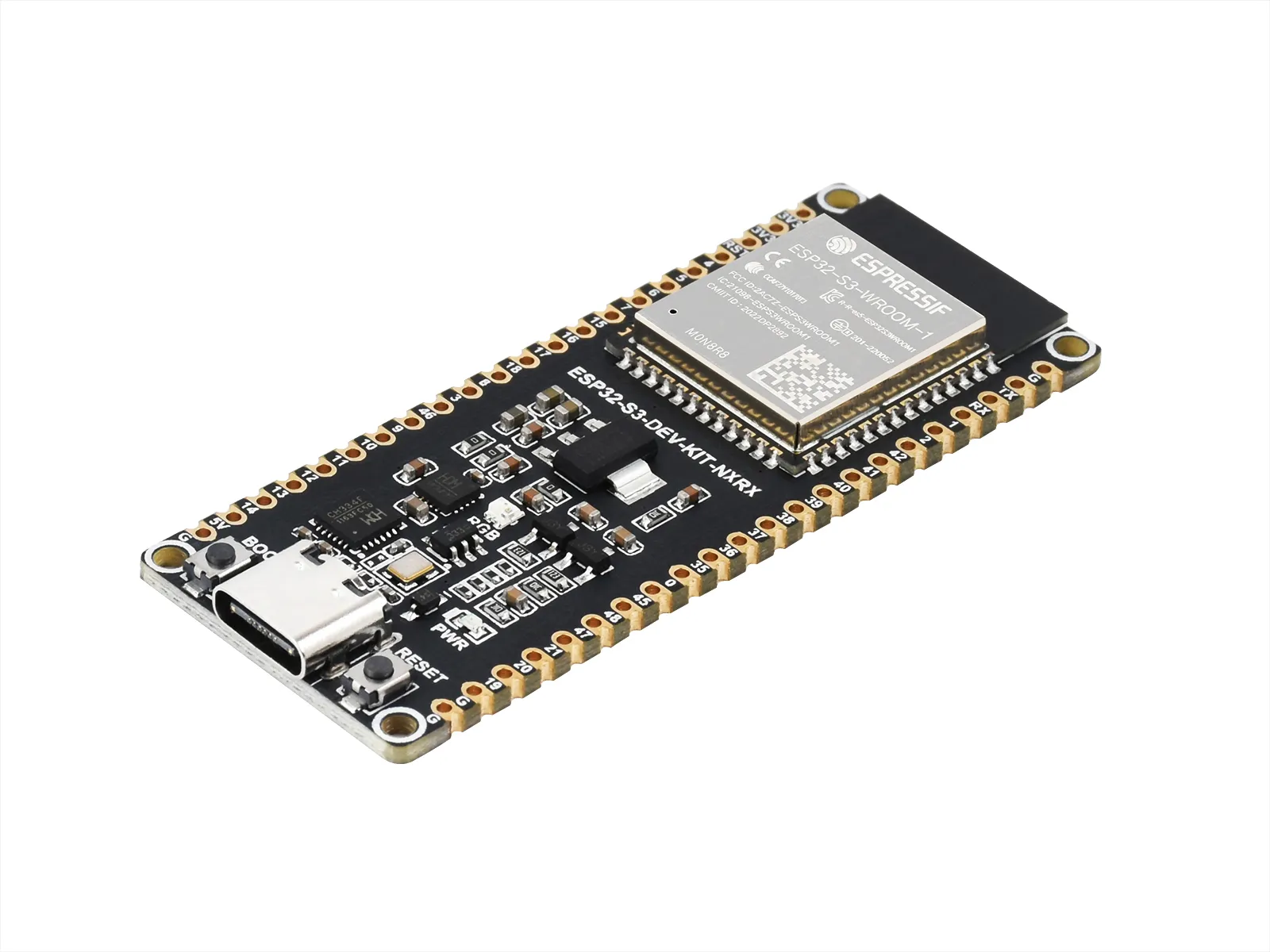
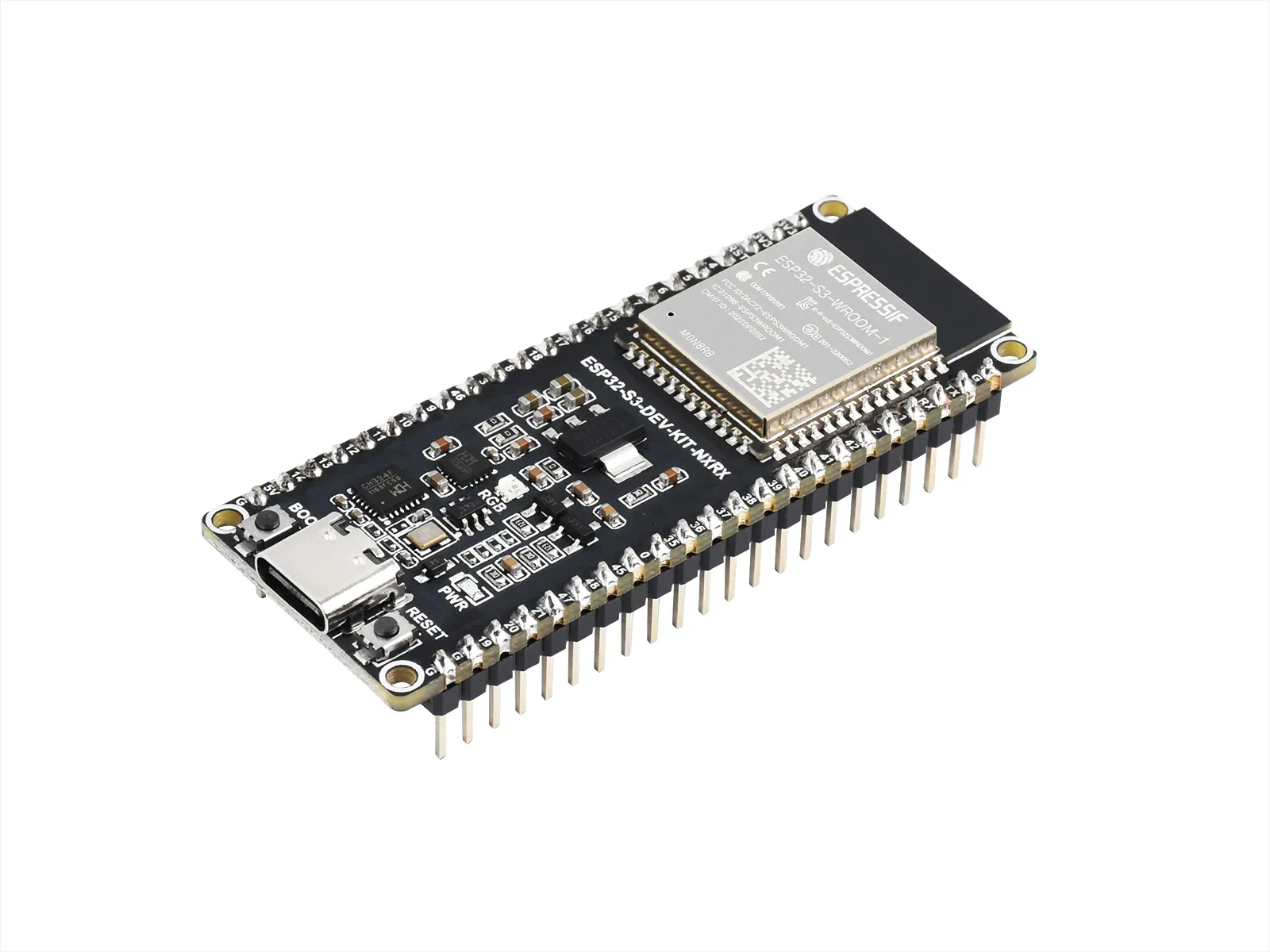
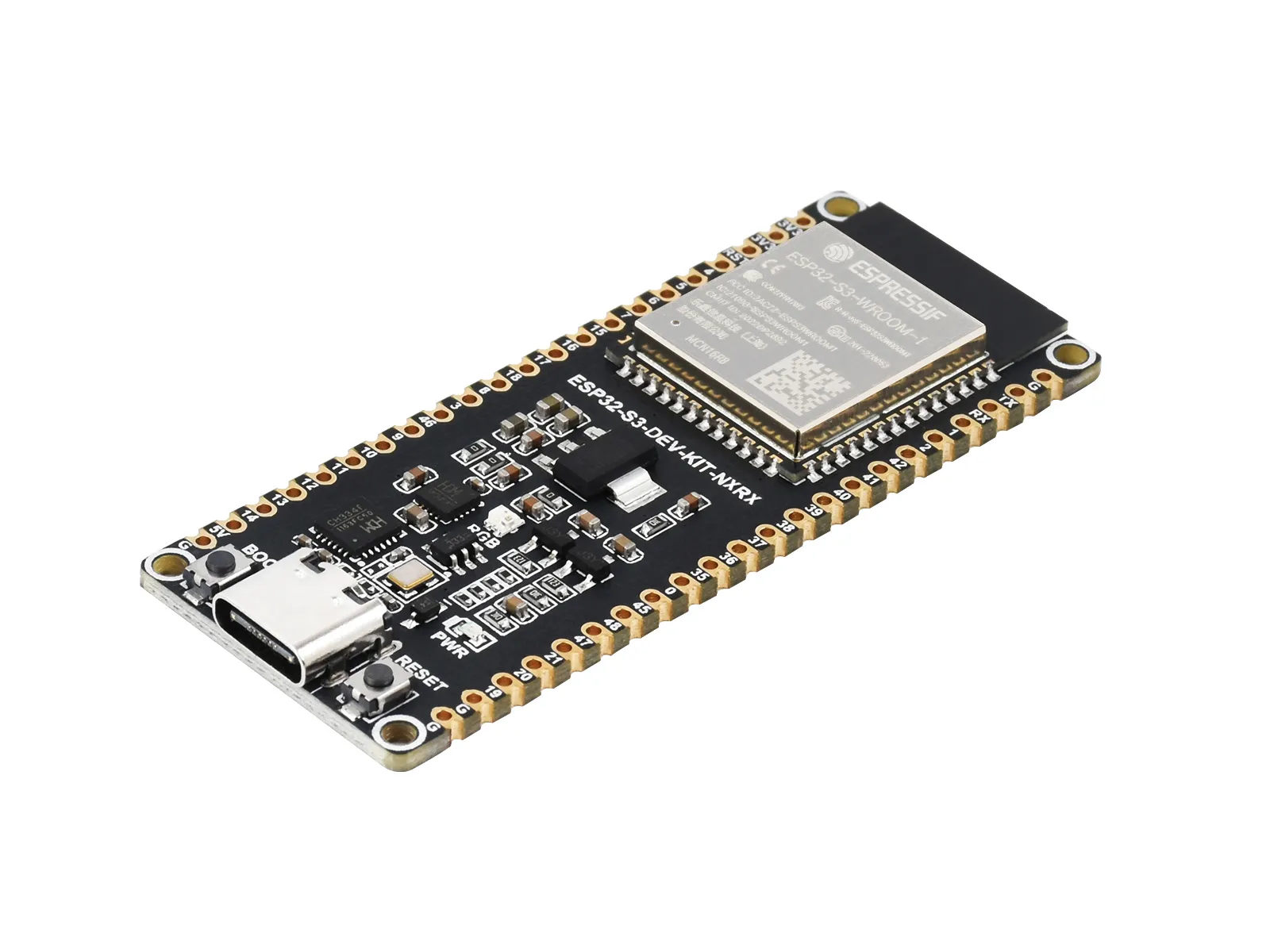
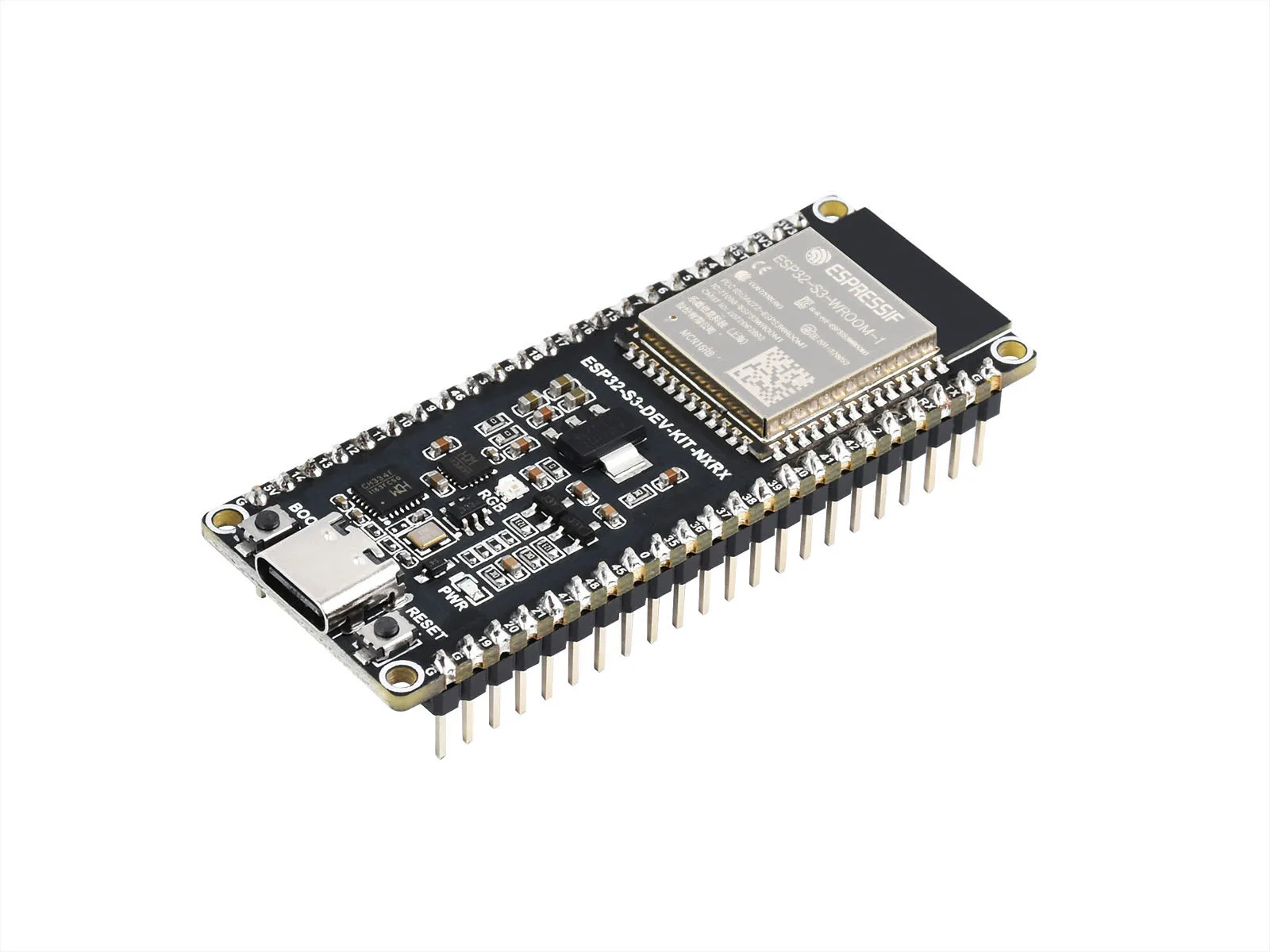
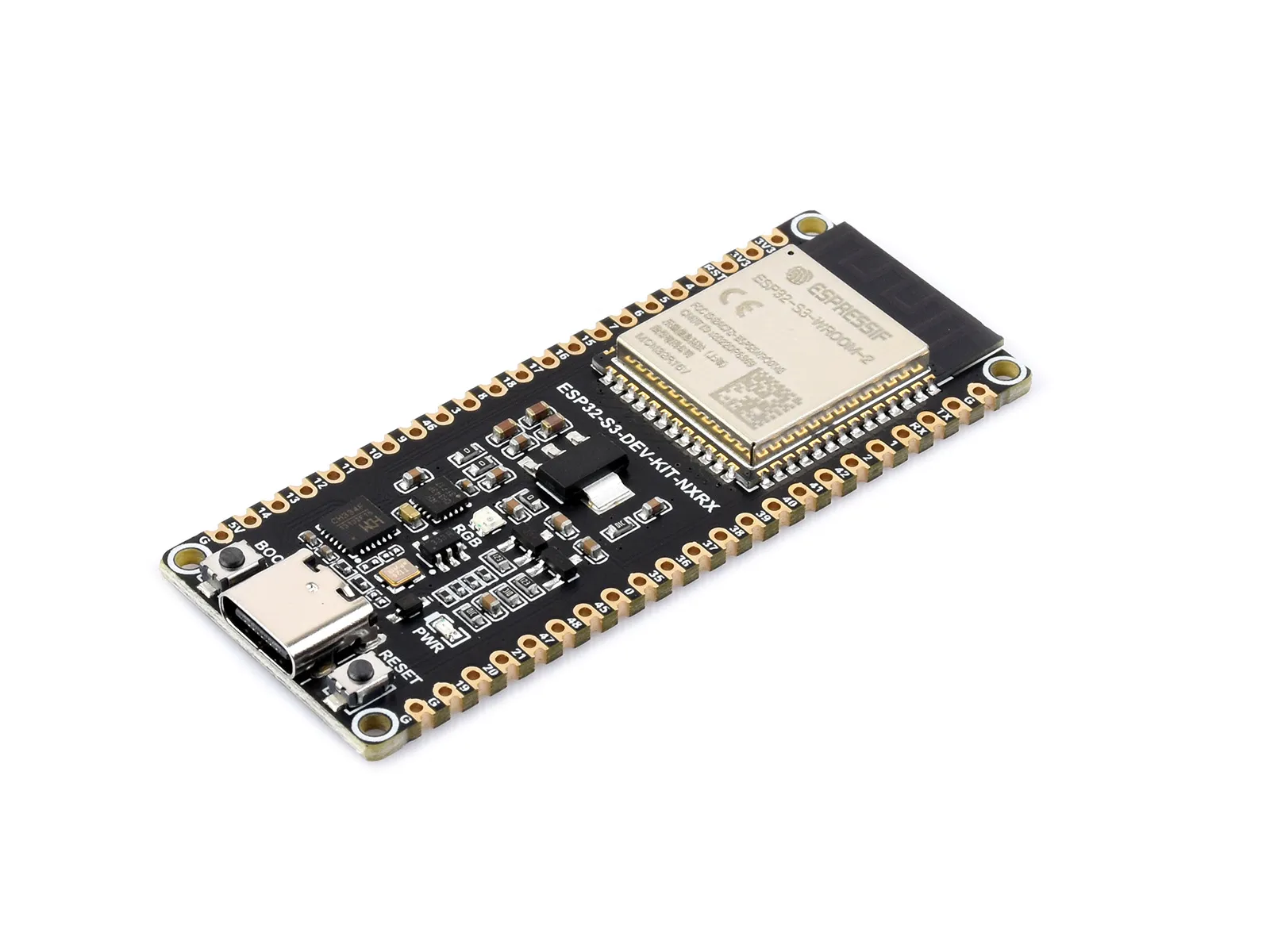
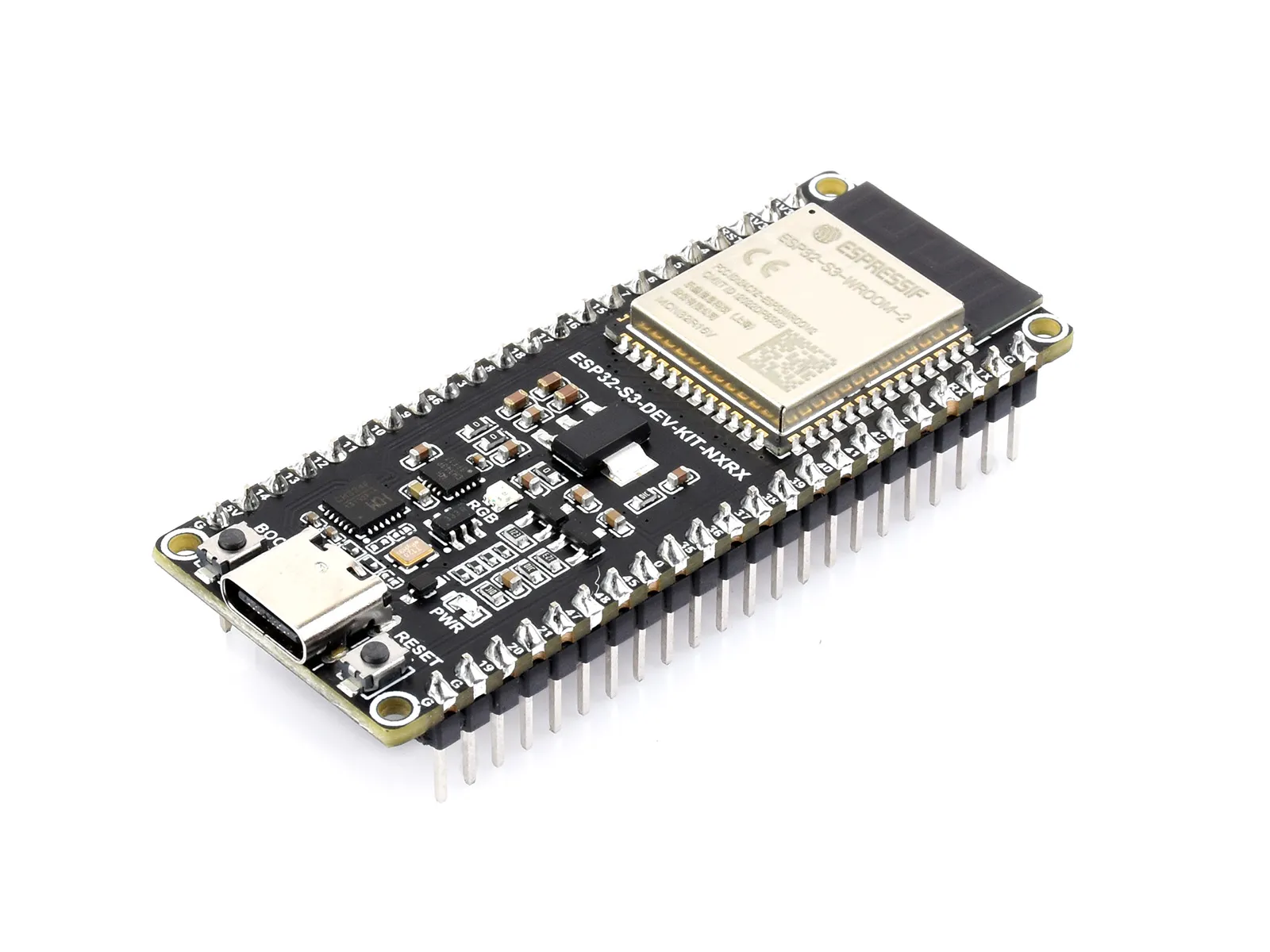
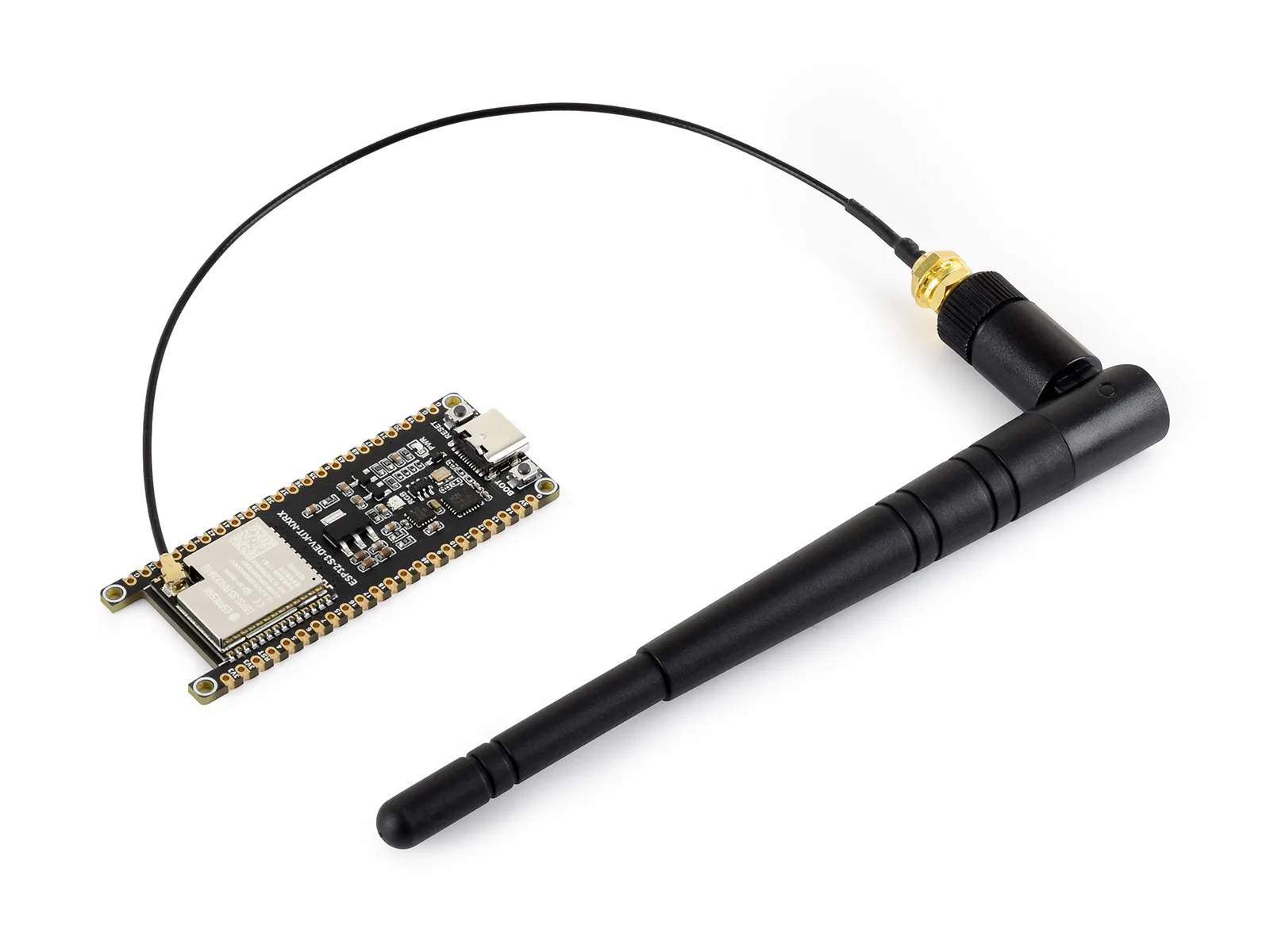
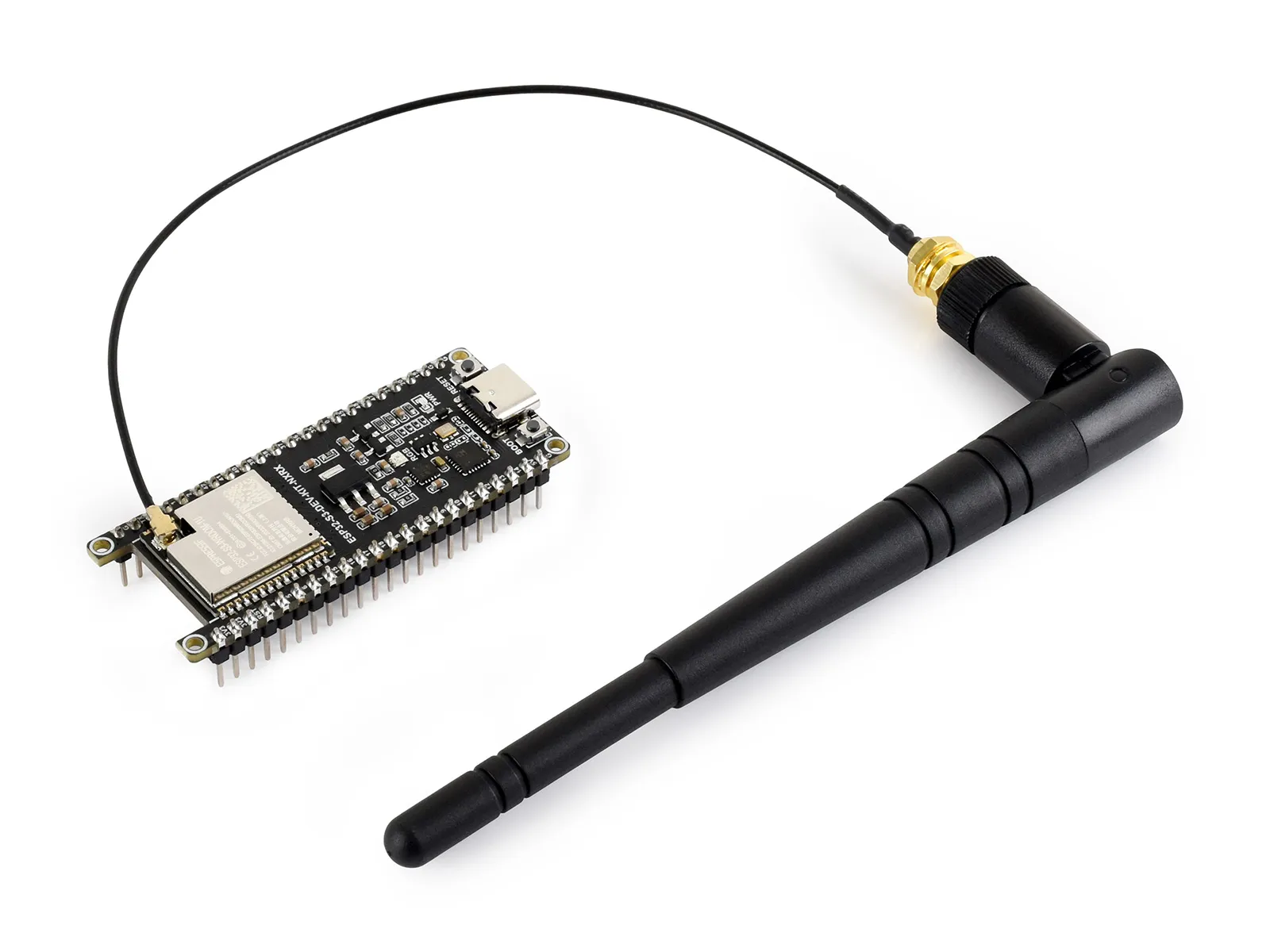
| Comparison Item | ESP32-S3-DEV-KIT-N8R8 | ESP32-S3-DEV-KIT-N16R8 | ESP32-S3-DEV-KIT-N32R16V | ESP32-S3-DEV-KIT-N16R8-U |
|---|---|---|---|---|
| Product Image | 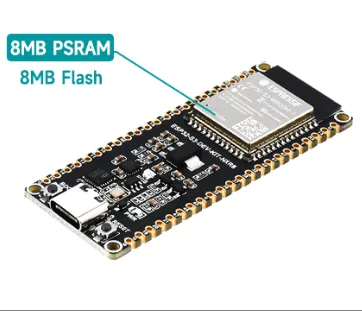 | 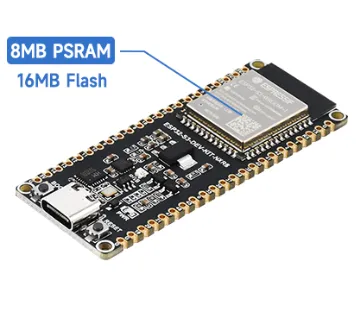 | 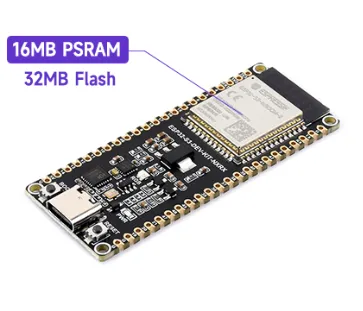 | |
| Module | ESP32-S3-WROOM-1-N8R8 | ESP32-S3-WROOM-1-N16R8 | ESP32-S3-WROOM-2-N32R16V | ESP32-S3-WROOM-1U-N16R8 |
| Flash | 8MB (Quad SPI, DIO/QIO mode) | 16MB (Quad SPI, DIO/QIO mode) | 32MB (Octal SPI, OPI mode) | 16MB (Quad SPI, DIO/QIO mode) |
| PSRAM | 8MB | 8MB | 16MB | 8MB |
| Pin 28/29/30 function (GPIO35/GPIO36/GPIO37) | NC | NC | NC | NC |
| IO47/IO48 High-Level Output | 3.3V | 3.3V | 1.8V (The SPI Flash and PSRAM integrated inside the module operate at 1.8V; IO47/IO48 belong to the VDD_SPI domain, so the high-level output is 1.8V) | 3.3V |
If you are looking for:
- Coding with AI tools: Click Ask AI and select an AI tool to ask questions about this page, or choose Copy page to copy its content and paste it into an AI tool for coding assistance.
- Schematics, datasheets, and example code: See Resources
- Arduino development: See Working with Arduino
- ESP-IDF development: See Working with ESP-IDF
- MicroPython development: See Working with MicroPython
- Troubleshooting: See Product FAQ or contact Technical Support
| SKU | Product |
|---|---|
| 24363 | ESP32-S3-DEV-KIT-N8R8 |
| 24243 | ESP32-S3-DEV-KIT-N8R8-M |
| 28409 | ESP32-S3-DEV-KIT-N16R8 |
| 28836 | ESP32-S3-DEV-KIT-N16R8-M |
| 32837 | ESP32-S3-DEV-KIT-N32R16V |
| 32588 | ESP32-S3-DEV-KIT-N32R16V-M |
| 34549 | ESP32-S3-DEV-KIT-N16R8-U |
| 34550 | ESP32-S3-DEV-KIT-N16R8-UM |
Product Overview
The ESP32-S3-DEV-KIT-NXRX is a compact microcontroller development board equipped with multiple digital interfaces.
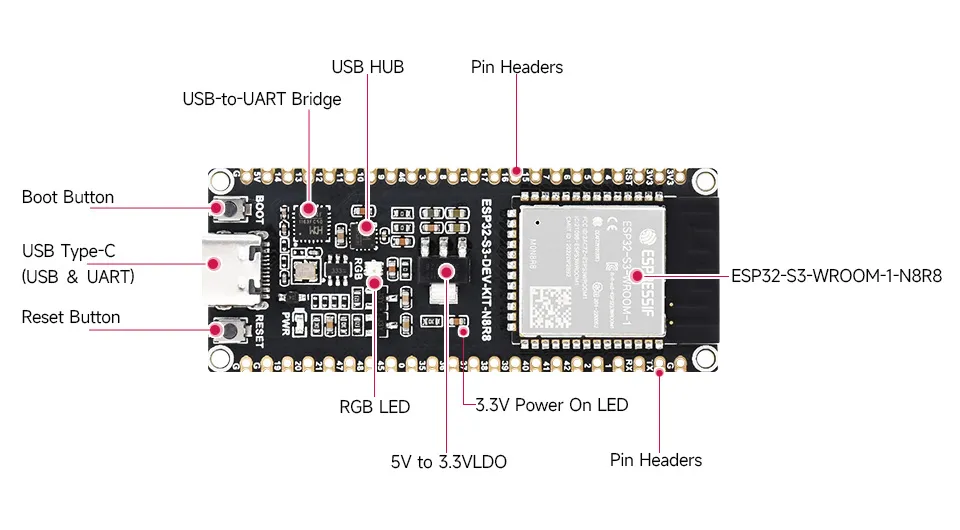
Hardware-wise, it uses the ESP32-S3-WROOM-1-NXRX module, which integrates an Xtensa 32-bit LX7 dual-core processor running at up to 240 MHz, with built-in 512KB SRAM (TCM) and 8MB PSRAM. The board also features CH343 and CH334 chips, allowing both USB and UART development through a single USB-C interface. When connected to a computer, the board enumerates two independent COM ports: one for the ESP32-S3 native USB interface and one for the CH343 USB-to-UART interface. See the FAQ for how to identify them. Its pinout is compatible with the ESP32-S3-DevKitC-1 board, enabling expansion with various peripherals for greater convenience.
As for the software, you can choose ESP-IDF, Arduino, MicroPython, or other development environments so that you can easily and quickly get started and apply it to the product.
Features
- Powered by the ESP32-S3-WROOM-1-NXRX module, featuring an Xtensa 32-bit LX7 dual-core processor with a main frequency of up to 240MHz
- Integrated 512KB SRAM and 384KB ROM, with optional PSRAM and Flash memory configurations
- Integrated 2.4GHz Wi-Fi and Bluetooth LE dual-mode wireless communication with excellent RF performance
- USB Type-C interface, eliminating concerns about plug orientation
- Onboard CH343 and CH334 chips, meeting USB and UART development needs through a single Type-C port
- Rich peripheral interfaces brought out; pin-compatible with the ESP32-S3-DevKitC-1 board for strong compatibility and expandability
- Castellated module design allows direct soldering and integration onto user-designed carrier boards
- Supports multiple low-power operating states, balancing communication distance, data rate, and power consumption to meet the power needs of various application scenarios
Functional Block Diagram
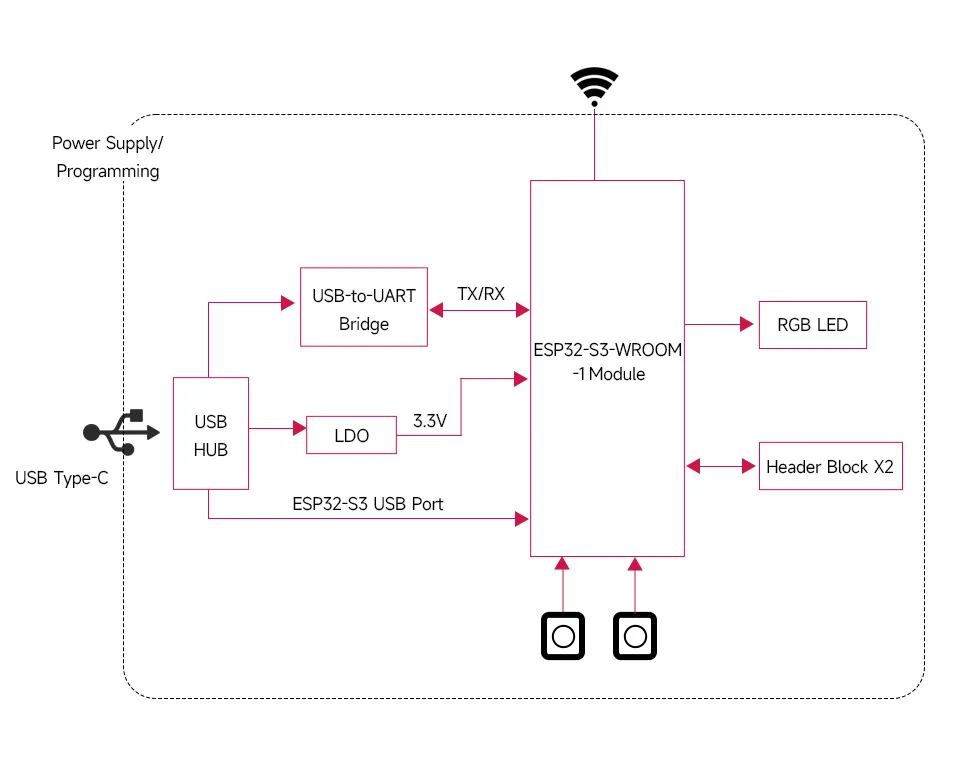
Resource Interfaces
Pinout Definition
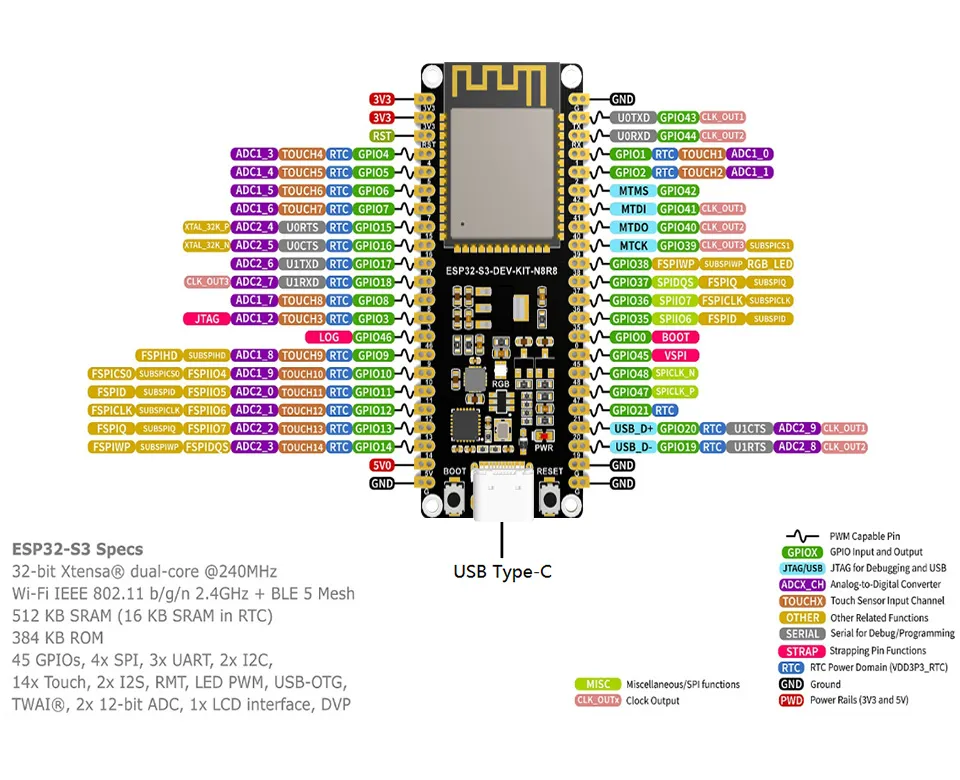
The SPI Flash and PSRAM integrated inside the ESP32-S3-DEV-KIT-N32R16V module operate at 1.8V; IO47/IO48 belong to the VDD_SPI domain, so the high-level output is 1.8V.
Dimensions
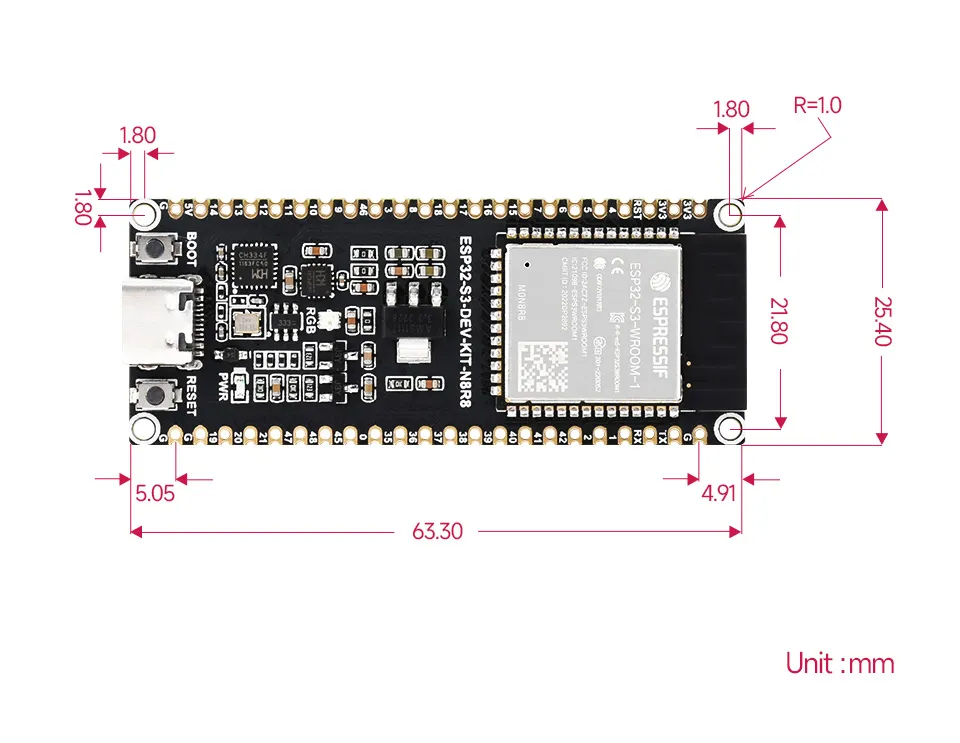
Development Methods
The ESP32 supports multiple development methods, allowing for professional development using the Espressif official ESP-IDF framework, or rapid prototyping using platforms like the Arduino IDE or MicroPython.
The main development platforms include:
-
ESP-IDF: Espressif's official development framework, specifically built for the ESP32 series chips, providing a complete development toolchain, code libraries, and documentation. It can fully leverage all the performance and features of ESP32 and is the preferred solution for professional development and commercial products.
-
Arduino: A well-known open-source hardware/software platform offering a simple and standard C++ interface, supporting numerous microcontrollers including ESP32. Arduino has rich libraries and examples, widely used in prototyping and education, and is a popular entry-level platform for beginners. For the development environment configuration, please refer to Working with Arduino page.
-
MicroPython: The simplified version of Python 3 includes core features and is optimized for microcontroller environments. It supports instant execution without repeated compilation and flashing. It provides an efficient way for developers familiar with Python to get started with ESP32 quickly. For development environment setup, please refer to the Working with MicroPython page.
-
Other Development Methods: The ESP32 development ecosystem is very rich. Besides the aforementioned platforms, development is also supported via platforms like PlatformIO, Mongoose OS, Espruino (JavaScript), ESPHome, etc., catering to the needs of developers with different technical backgrounds.